
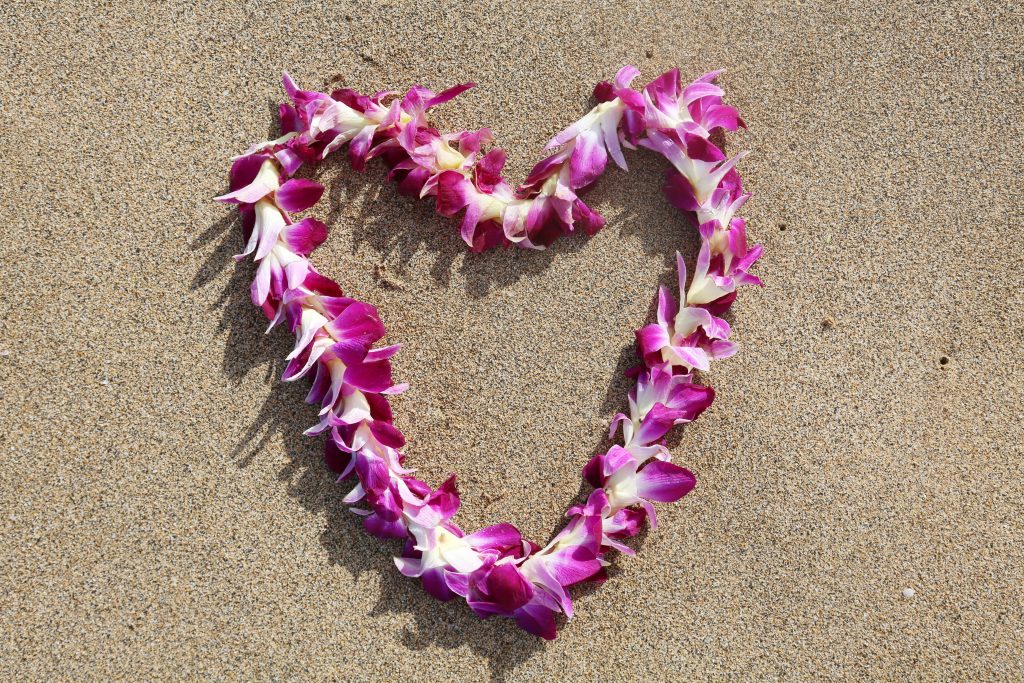
Every May 1st, Hawaiians and visitors alike come together to celebrate Lei Day, a unique cultural holiday that honors the beauty, tradition, and significance of the lei. This vibrant celebration is deeply rooted in Hawaiian culture, showcasing the spirit of aloha through music, dance, and, of course, the art of lei-making. Whether you’re a local or a tourist, Lei Day offers a memorable experience filled with history, creativity, and a sense of community.
The History of Lei Day
The idea for Lei Day was first proposed in 1927 by Don Blanding, a writer and poet who deeply admired the beauty of leis and their cultural significance in Hawaiian life. Inspired by the flower necklaces’ symbolic connection to love, honor, and respect, he envisioned a day dedicated to celebrating leis as an art form and cultural practice.
The inaugural Lei Day was celebrated on May 1, 1928, in Honolulu, and its success solidified it as an annual tradition. The date coincides with May Day in other parts of the world, making it a perfect occasion to celebrate nature’s beauty and the spirit of giving that leis represent.
Cultural Significance of the Lei
Leis have long been a symbol of aloha in Hawaii. Made from flowers, leaves, shells, nuts, and even feathers, each lei carries a specific meaning based on its material, color, and construction. They are given to mark special occasions, such as birthdays, weddings, graduations, or to welcome visitors and bid farewell to loved ones.
In Hawaiian tradition, the act of giving and wearing a lei represents love, respect, and connection. Lei Day takes this tradition and amplifies it, turning it into a grand celebration that pays homage to Hawaiian culture and natural beauty.
How Lei Day is Celebrated
Lei Day celebrations take place across all Hawaiian Islands, but the most famous event is held on Oʻahu, particularly at the Queen Kapiʻolani Regional Park in Waikīkī. Here’s what you can expect:
- Lei-Making Competitions: One of the highlights is the lei-making contests, where participants showcase their creativity and skills. Judging criteria often include craftsmanship, beauty, and authenticity.
- Live Performances: Traditional Hawaiian music and hula dancers create a festive atmosphere, bringing the sounds and movements of Hawaii to life.
- Cultural Demonstrations: Attendees can learn about Hawaiian traditions such as lei-making, ukulele playing, and storytelling through hands-on workshops and demonstrations.
- Crowning of the Lei Queen: Each year, a Lei Queen and her court are chosen to preside over the festivities. This honor celebrates individuals who embody the values and spirit of aloha.
- Food and Crafts: Local vendors offer Hawaiian delicacies, handmade jewelry, and other unique souvenirs, allowing visitors to take a piece of Hawaii home with them.
Attendance and Popularity
Lei Day has become a cherished event, attracting approximately 7,000 to 10,000 attendees annually at its main celebration in Honolulu. Additional festivities on other islands also draw thousands more. Tourists and locals alike come together to participate, making it a vibrant cultural spectacle.
The event is not limited to Hawaii, as communities worldwide with Hawaiian ties or Polynesian influences have adopted Lei Day celebrations, further spreading its message of aloha and cultural appreciation.
The Role of Leis in Modern Hawaii
Leis remain a central part of Hawaiian culture today. They are used in ceremonies, given as gifts, and worn with pride. While Lei Day serves as a grand celebration, it also reminds locals and visitors of the importance of preserving Hawaiian traditions and respecting the land from which these beautiful creations come.
Why Lei Day Matters
Lei Day is more than a festival; it’s a celebration of Hawaiian identity. In a world where cultural practices can sometimes fade, Lei Day stands as a testament to the resilience and beauty of Hawaiian traditions. It offers a space for education, connection, and joy, ensuring that the spirit of aloha continues to thrive.
Plan Your Visit
If you’re planning to visit Hawaii, experiencing Lei Day is a must. Make sure to arrive early to enjoy the full day of festivities. Engage in the lei-making workshops, indulge in delicious Hawaiian food, and take part in the hula performances under the warm Hawaiian sun.
Whether you’re crafting your first lei or admiring the artistry of others, Lei Day promises an unforgettable experience that leaves you with a deeper appreciation for Hawaiian culture and the enduring power of aloha.