Annual Events · Hawaii
Ala Wai Challenge Canoe Races
A refreshed visitor guide to Ala Wai Challenge Canoe Races, with the original event information presented in new wording for the Hawaii Travel Blog.
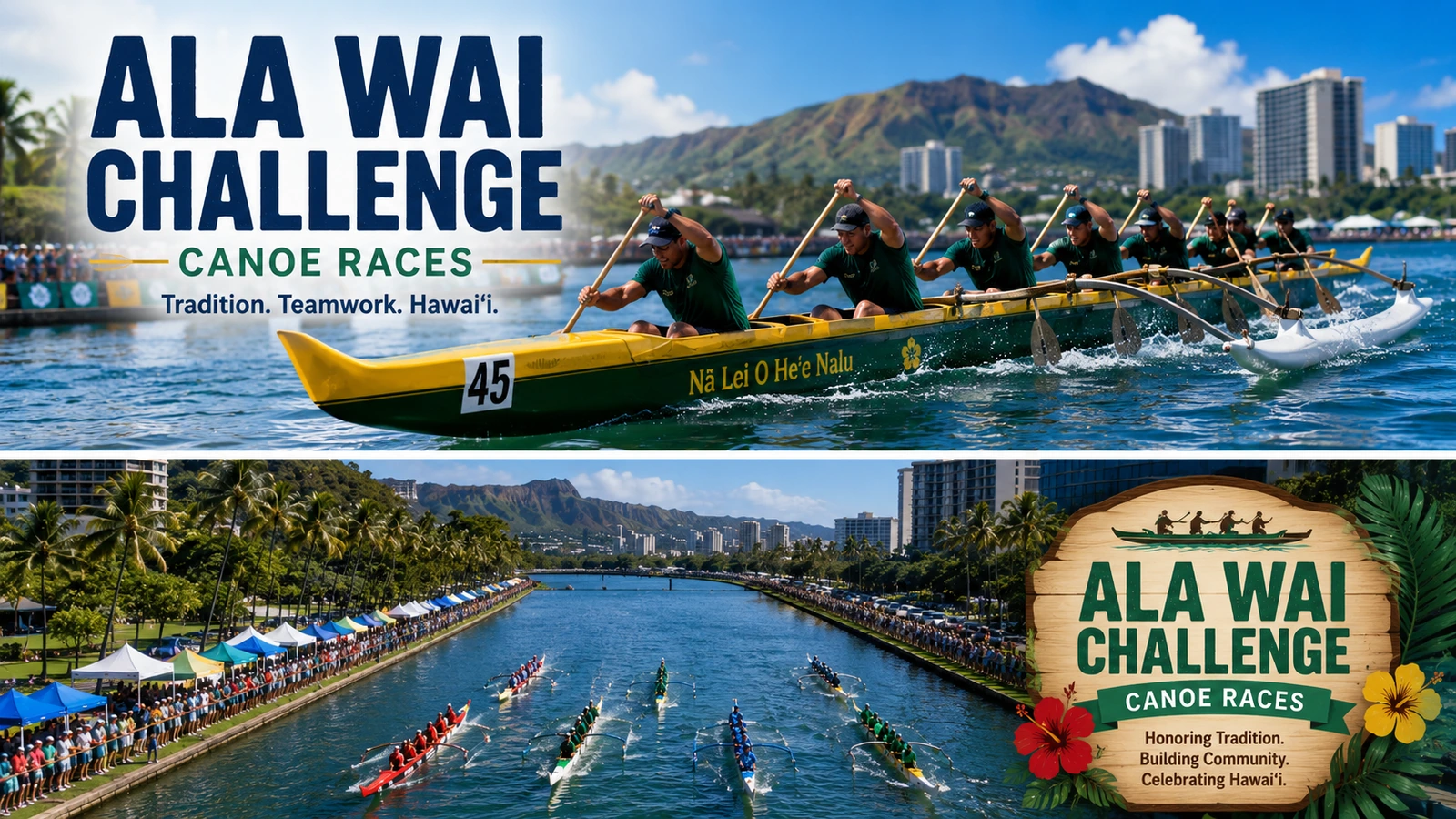
The Ala Wai Challenge Canoe Races stand as one of Honolulu’s most vibrant and culturally important events, presenting the rich traditions of Hawaiian water sports while celebrating community and athleticism. Year after year, this highly anticipated event transforms the Ala Wai Canal into a thrilling stage of competition, camaraderie, and cultural pride.
A Tradition Rooted in History
From a visitor perspective, the Ala Wai Challenge Canoe Races trace their origins to the ancient Hawaiian tradition of outrigger canoeing, which has long been a cornerstone of Polynesian culture. The sport dates back centuries, serving as a vital means of transportation, fishing, and inter-island communication. Over time, canoeing evolved into a competitive sport, blending physical prowess with deep cultural significance.
The modern iteration of the Ala Wai Challenge emerged in the mid-20th century as part of Honolulu’s efforts to preserve and promote Hawaiian culture. This annual event serves as both a sporting competition and a celebration of Hawaii’s maritime heritage, attracting participants and guests and spectators eager to connect with these enduring traditions.
The Race Format
From a visitor perspective, the Ala Wai Challenge features traditional outrigger canoe races, with teams of six paddlers navigating the calm but challenging waters of the Ala Wai Canal. The event often includes a variety of race categories, ranging from amateur teams representing local businesses and schools to elite paddlers from professional canoe clubs.
From a visitor perspective, competitors are judged not only on speed but also on teamwork and synchronization, essential elements in navigating the narrow canal efficiently. The races emphasize the importance of unity, a principle deeply embedded in Hawaiian culture.
A Growing Spectacle
The Ala Wai Challenge has grown significantly over the years, now attracting over 5,000 spectators annually. The event’s accessibility and festive atmosphere make it a favorite for both locals and tourists. participants and guests range from seasoned paddlers to first-timers eager to experience the thrill of outrigger canoeing.
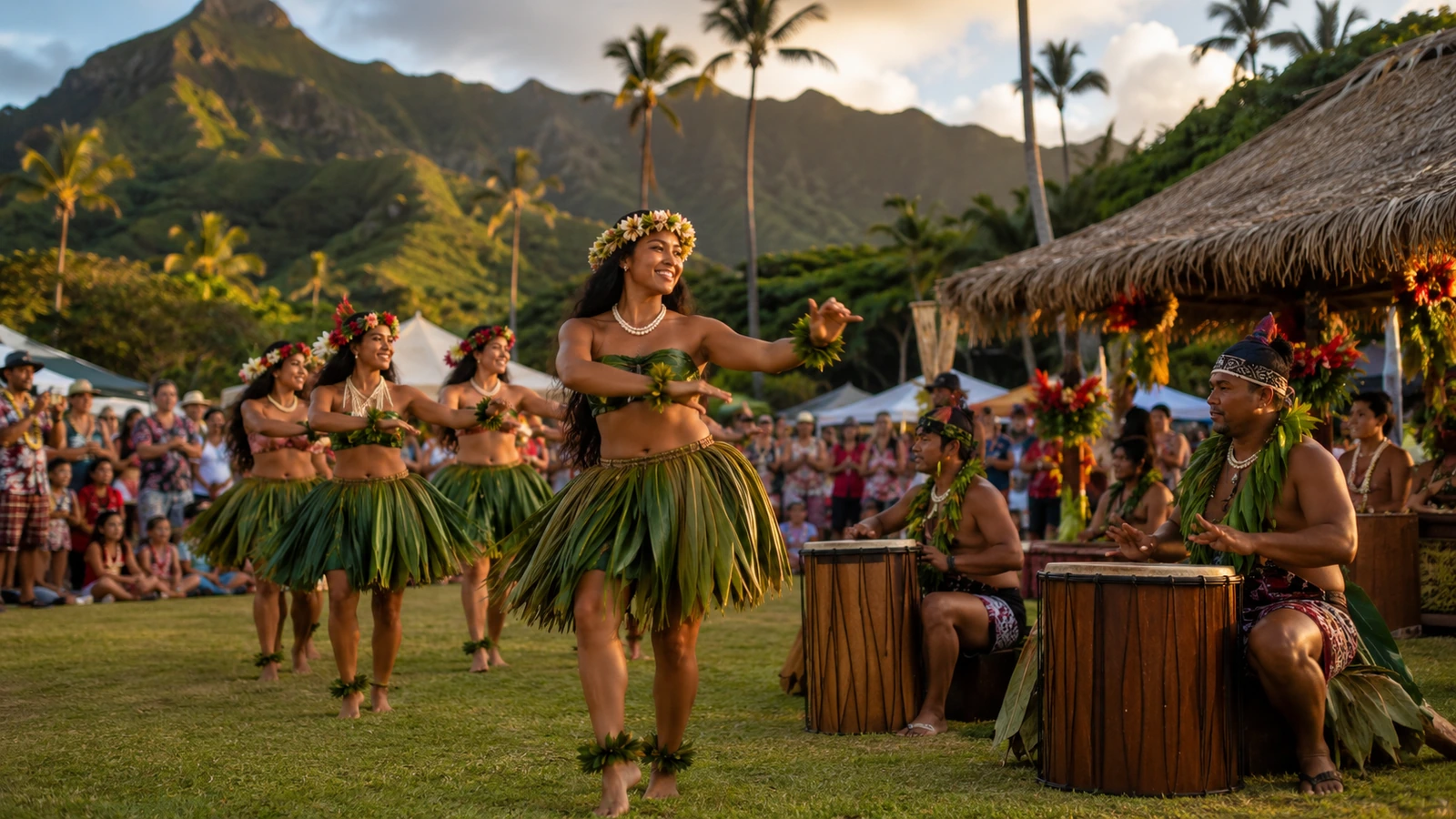
This gathering also features cultural demonstrations, live music, and food stalls offering traditional Hawaiian cuisine. These additional attractions transform the races into a full-day celebration of Hawaiian heritage, attracting visitors from all walks of life.
The Role of Community and Culture
From a visitor perspective, one of the defining features of the Ala Wai Challenge is its emphasis on community involvement. Local organizations, schools, and businesses are encouraged to form teams, fostering a sense of unity and pride. The event also serves as a platform for cultural education, with workshops and exhibits highlighting the history and techniques of outrigger canoeing.
For many participants and guests, the challenge is more than a race; it is a connection to their roots. The event helps preserve the traditional knowledge of canoe building and paddling techniques, ensuring these practices are passed down to future generations.
Notable Moments and Champions
Over the years, the Ala Wai Challenge has witnessed many memorable performances. Local canoe clubs such as Hui Nalu and Outrigger Canoe Club often dominate the competition, presenting their expertise and dedication. These clubs bring together some of the most skilled paddlers in the region, making for thrilling races that captivate the audience.
From a visitor perspective, in recent years, the event has also attracted international teams, adding a global dimension to the competition. These teams bring diverse paddling styles and strategies, enriching the event’s competitive spirit.
The Logistics of the Event
The Ala Wai Challenge typically is held in January, offering a perfect start to Honolulu’s annual calendar of events. The course runs along the Ala Wai Canal, a man-made waterway flanked by scenic views of Waikīkī and the Koʻolau Mountains.
From a visitor perspective, event organizers work closely with local authorities to ensure the safety and smooth execution of the races. This includes clearing the canal of debris, setting up spectator areas, and coordinating traffic flow around the venue.
Attendance and Economic Impact
The Ala Wai Challenge plays an important role in boosting Honolulu’s local economy. With thousands of visitors each year, the event generates substantial revenue for nearby businesses, such as restaurants, hotels, and retail shops.
For tourists, the challenge offers a distinctive chance to experience Hawaiian culture in an authentic and engaging way. Many visitors extend their stay to explore other attractions in Honolulu, further contributing to the city’s tourism sector.
Looking to the Future
From a visitor perspective, as the Ala Wai Challenge continues to grow, organizers are committed to maintaining its cultural authenticity while exploring opportunities for expansion. This includes incorporating modern technologies, such as live-streaming races to reach a global audience and using eco-friendly practices to minimize the event’s environmental impact.
From a visitor perspective, the challenge also aims to strengthen its educational component, with plans to offer more workshops and interactive exhibits. These initiatives will ensure that the event remains a meaningful celebration of Hawaiian culture for generations to come.
Conclusion
From a visitor perspective, the Ala Wai Challenge Canoe Races are more than just a sporting event; they are a living testament to Hawaii’s rich maritime heritage and cultural identity. With its thrilling races, vibrant atmosphere, and emphasis on community, the event captures the essence of what makes Hawaii so special.
Whether you’re a paddling enthusiast, a cultural explorer, or a curious visitor, the Ala Wai Challenge offers an unforgettable experience that celebrates the spirit of aloha in its purest form. As the event continues to evolve, it promises to remain a cornerstone of Honolulu’s cultural landscape, inspiring participants and guests and spectators alike.