Annual Events · Hawaii
Koloa Plantation Days
Plan for Koloa Plantation Days with cultural context, visitor expectations, and practical Hawaii travel guidance.
Celebrating Kauaʻi’s Plantation Heritage
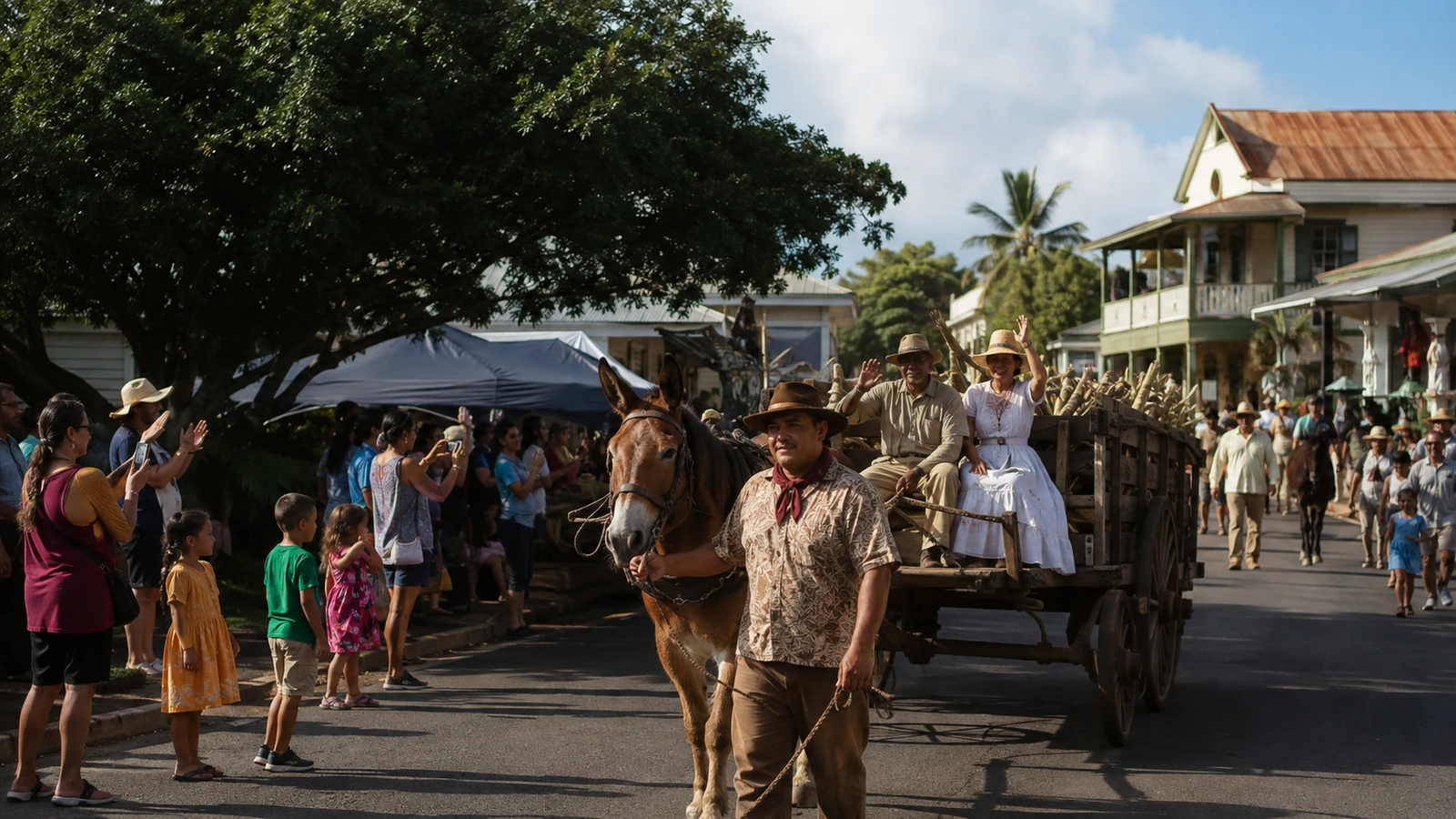
Kōloa Plantation Days is a community celebration centered on the history and multicultural heritage of Kauaʻi’s plantation era. It gives visitors a broader view of the island through stories of families, food, music, work, migration, and traditions that helped shape modern Kauaʻi.
Festival Experiences
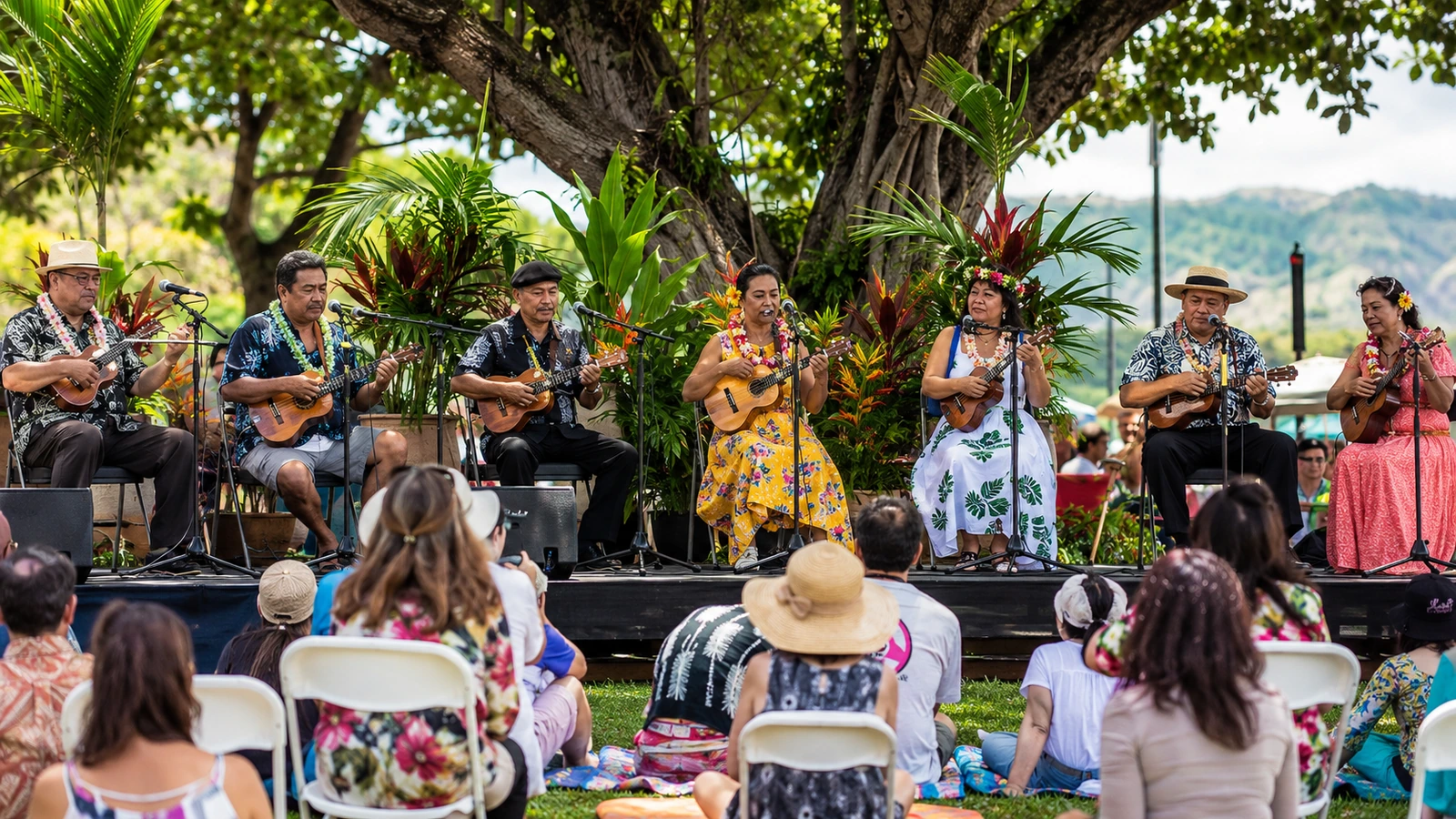
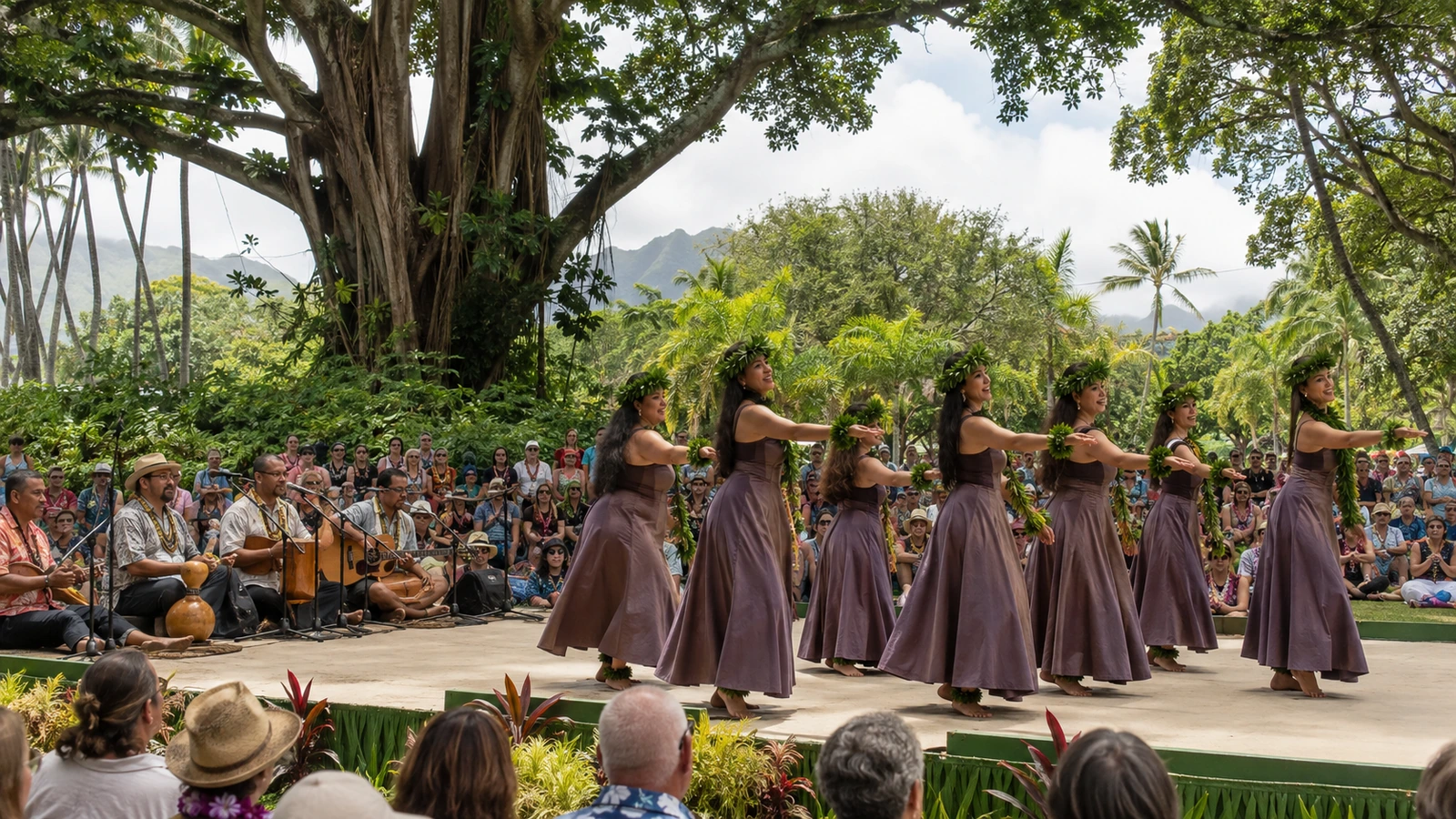
The multi-day celebration may include historical programs, local food, entertainment, walking activities, family events, and a parade. Individual activities can have different venues and schedules, so review the current program before choosing which days to attend.
Why It Is Worth Experiencing
For travelers who want more than beaches and scenery, Plantation Days provides context for the communities and cultural influences found across Kauaʻi today. It is especially rewarding for visitors interested in local history and community traditions.
Practical Tips
Plan transportation in advance, expect popular activities to draw crowds, and carry water and sun protection. Support local vendors and museums while you are in the Kōloa and Poʻipū area.
Before You Attend
Programs connected with Koloa Plantation Days may change by year, venue, and organizer. Before traveling specifically for the event, confirm the current schedule, ticket or registration requirements, parking plan, accessibility information, and rules for bags, food, photography, or seating.
Arriving early gives you time to understand the layout, read interpretive material, talk with vendors or volunteers, and settle in without interrupting performances or ceremonies.
Cultural Etiquette and Photography
Approach Koloa Plantation Days as a community and cultural experience rather than only a photo opportunity. Listen to announcements, respect restricted spaces, and ask permission before taking close photographs of performers, cultural practitioners, children, or ceremonial activity.
When music, chant, prayer, protocol, or formal presentations are underway, keep conversations quiet and follow the tone established by hosts. Buying directly from local artists, food vendors, and makers is another practical way to support the event community.
Transportation and Comfort
Plan enough time to reach Hawaiian Islands without rushing. Depending on the venue, parking may be limited and walking from an overflow area may be required. Comfortable shoes, water, sun protection, and a light layer for wind or rain are useful for many Hawaiʻi events.
If the gathering is outdoors, pay attention to heat and weather conditions. Families should identify restrooms, shade, and a meeting point shortly after arriving.
Extend the Experience
After Koloa Plantation Days, continue exploring the history, food, landscapes, and neighborhoods of Hawaii at a comfortable pace. Pairing the event with a nearby museum, historic site, market, scenic stop, or locally owned restaurant can make the day feel more connected to place.
Avoid trying to fit too many distant attractions into the same day. Hawaiʻi travel is usually more rewarding when there is time to learn, observe, and move respectfully through each community.