Annual Events · Hawaii
Makahiki Festival on Molokai
A refreshed visitor guide to Makahiki Festival on Molokai, with the original event information presented in new wording for the Hawaii Travel Blog.
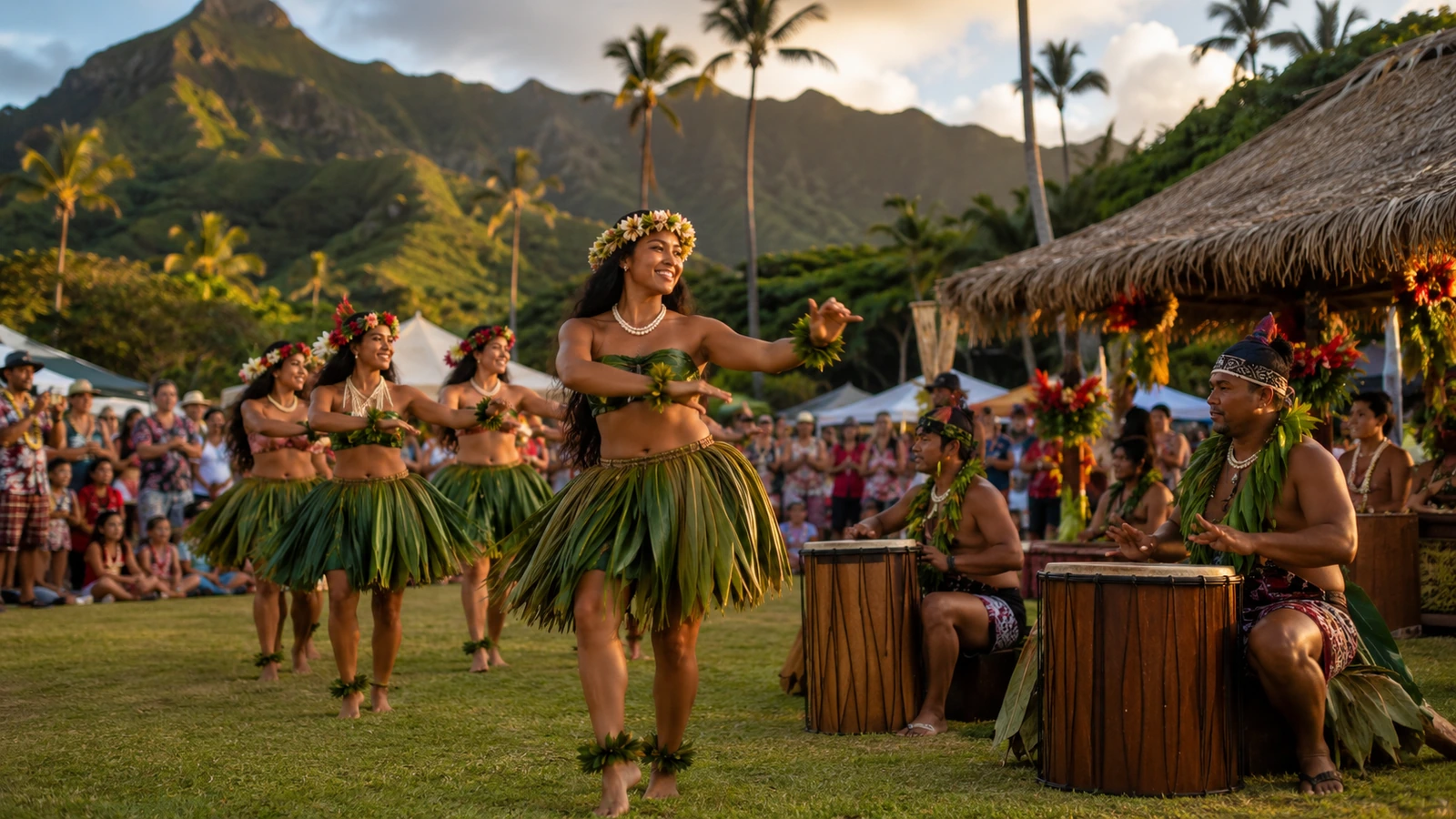
From a visitor perspective, the Makahiki Festival on Molokai is a profound celebration of Hawaiian culture, heritage, and history. Rooted in ancient traditions, the festival embodies a season of peace, gratitude, and abundance. Held annually, it attracts locals and visitors alike, offering a glimpse into the spiritual and cultural practices of Hawaii’s ancestors.
The Historical Roots of Makahiki
From a visitor perspective, the Makahiki season, which spans several months from late October to February, was an essential part of ancient Hawaiian life. It marked a time to honor Lono, the god of agriculture, rain, and fertility. During this period, warring ceased, allowing communities to come together in peace to celebrate the harvest and express gratitude for nature’s gifts.
From a visitor perspective, central to the Makahiki was the tribute to Lono, which included offerings of crops, fish, and other goods. Ceremonial processions featured a staff adorned with white kapa (bark cloth) and symbolic items representing Lono, carried across villages. In addition to the spiritual elements, the Makahiki season was a time for games, feasting, and storytelling, fostering unity among communities.
The Revival of the Makahiki Festival on Molokai
From a visitor perspective, molokai, known as the “Friendly Isle,” has been instrumental in reviving and preserving the Makahiki tradition. The modern Makahiki Festival began in the late 20th century as part of efforts to reconnect with Hawaii’s cultural roots. Today, it serves as a vibrant reminder of the island’s heritage, blending ancient practices with contemporary expressions of Hawaiian identity.
Festival Highlights
The Makahiki Festival on Molokai offers a dynamic mix of cultural and recreational programs that honor its historical significance:
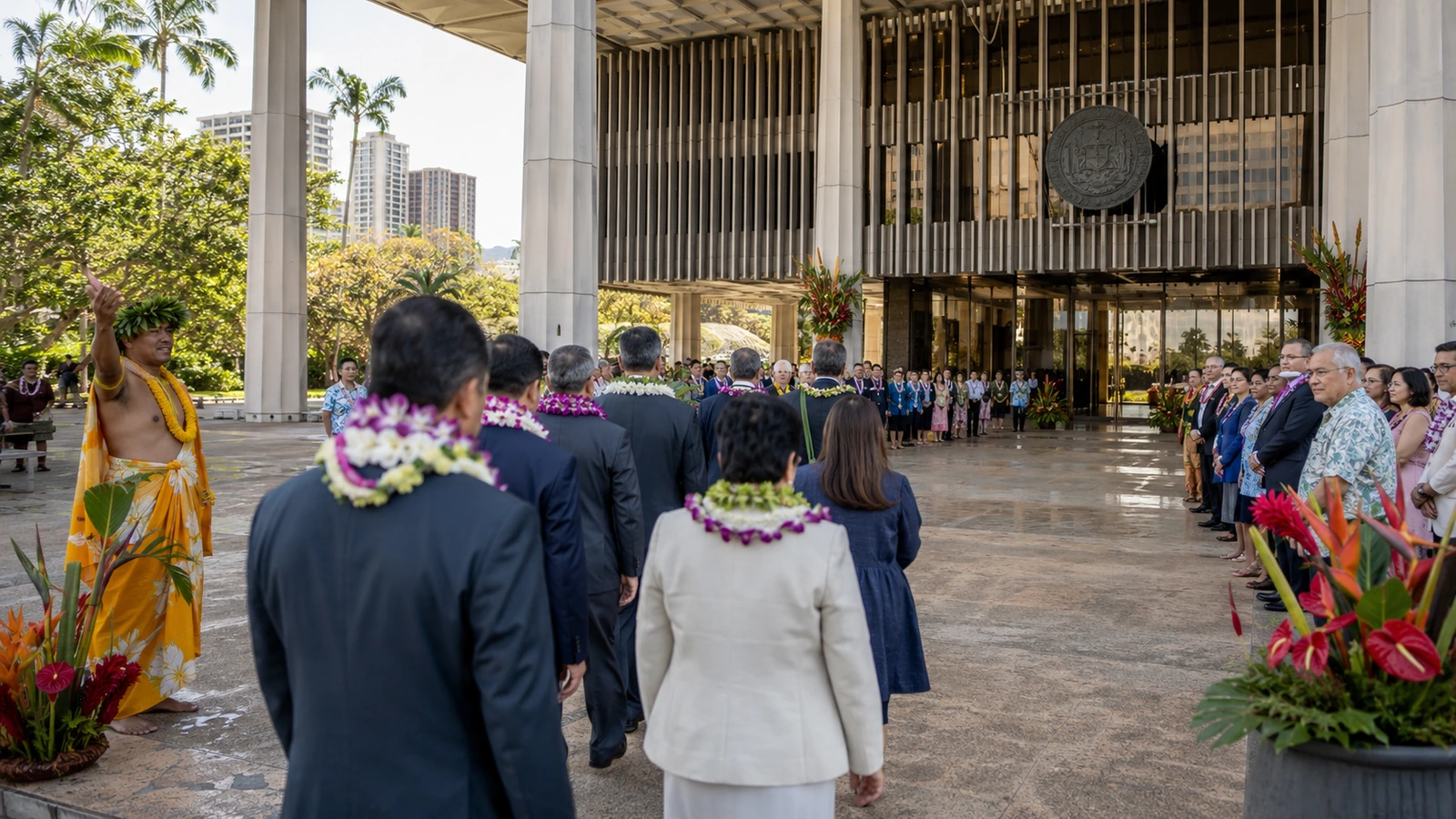
Ceremonial Processions: The celebration begins with a ceremonial procession reenacting the ancient tribute to Lono. participants and guests dressed in traditional attire carry offerings, chant, and perform rituals to bless the event.
Cultural Games: From a visitor perspective, traditional Hawaiian games, known as Makalii, take center stage. Events like ulu maika (stone disc bowling), hukihuki (tug-of-war), and o’o ihe (spear throwing) showcase the skills and ingenuity of ancient Hawaiians.
Storytelling and Workshops: From a visitor perspective, elders and cultural practitioners share oral histories, myths, and legends, providing insights into the spiritual and social aspects of Makahiki. Workshops on kapa making, lei crafting, and hula add interactive elements to the festivities.
Feasting and Music: Local chefs prepare traditional Hawaiian dishes using locally sourced ingredients, offering visitors a taste of authentic island cuisine. Live music and hula performances create a festive ambiance, celebrating the artistic talents of the Molokai community.
Attendance and Community Involvement
The Makahiki Festival on Molokai has grown steadily in popularity over the years. Recent estimates suggest that the event attracts around 3,000 to 5,000 visitors annually, such as locals, neighboring island residents, and tourists.
The celebration is deeply rooted in community involvement. Schools, cultural organizations, and local businesses contribute to its planning and execution, ensuring it remains a genuine reflection of Molokai’s spirit. Youth participation is particularly emphasized, with schools integrating Makahiki-related lessons and programs into their curricula.
A Focus on Sustainability and Education
From a visitor perspective, true to its agricultural origins, the Makahiki Festival on Molokai emphasizes sustainability. Workshops and exhibits highlight traditional farming techniques, renewable energy, and environmental stewardship. These initiatives align with the Hawaiian value of malama aina (caring for the land), promoting a harmonious relationship with nature.
The celebration also serves as an educational platform. Visitors gain a deeper understanding of Hawaiian culture, while locals have a chance to reconnect with their heritage. This dual purpose has made the event a cornerstone of cultural preservation on Molokai.
Notable Participants and Guests
Over the years, the Makahiki Festival has welcomed notable cultural leaders, artists, and dignitaries. well known practitioners of hula, traditional navigation, and Hawaiian music often grace the festival, sharing their expertise and inspiring visitors.
The celebration also attracts eco-tourists and cultural enthusiasts from around the world. Its unique focus on authenticity and community engagement sets it apart from other Hawaiian events, making it a must-visit for those seeking an immersive cultural experience.
The Venue and Directions
The Makahiki Festival is held at various locations on Molokai, with the historic Kaunakakai area often serving as the primary venue. The central location provides easy access for visitors and offers a picturesque setting with its lush landscapes and ocean views.
Travelers can reach Molokai via flights from Honolulu or Maui, followed by a short drive to the festival site. The event organizers provide clear signage and maps, ensuring a seamless experience for visitors.
Looking Ahead: Looking Ahead: Makahiki on Molokai
From a visitor perspective, as interest in cultural tourism continues to grow, the Makahiki Festival on Molokai is poised for further expansion. Plans include incorporating more interactive experiences, such as virtual reality tours of ancient Hawaiian practices, and establishing partnerships with cultural institutions to enhance educational programming.
From a visitor perspective, organizers are also exploring ways to increase accessibility for international visitors while maintaining the event’s intimate, community-focused atmosphere. By balancing growth with authenticity, the festival aims to remain a beacon of Hawaiian culture for generations to come.
Conclusion
The Makahiki Festival on Molokai is a celebration of tradition, community, and sustainability. Through its vibrant programs and cultural significance, it offers a distinctive chance to experience the heart and soul of Hawaii.
From a visitor perspective, whether you’re drawn by the spirited competitions, the deep cultural insights, or the breathtaking setting, the festival is an unforgettable journey into the essence of Hawaiian identity. For both locals and visitors, it serves as a poignant reminder of the enduring power of heritage and the shared responsibility to honor and preserve it.