Annual Events · Hawaii
Martin Luther King Day
A refreshed visitor guide to Martin Luther King Day, with the original event information presented in new wording for the Hawaii Travel Blog.
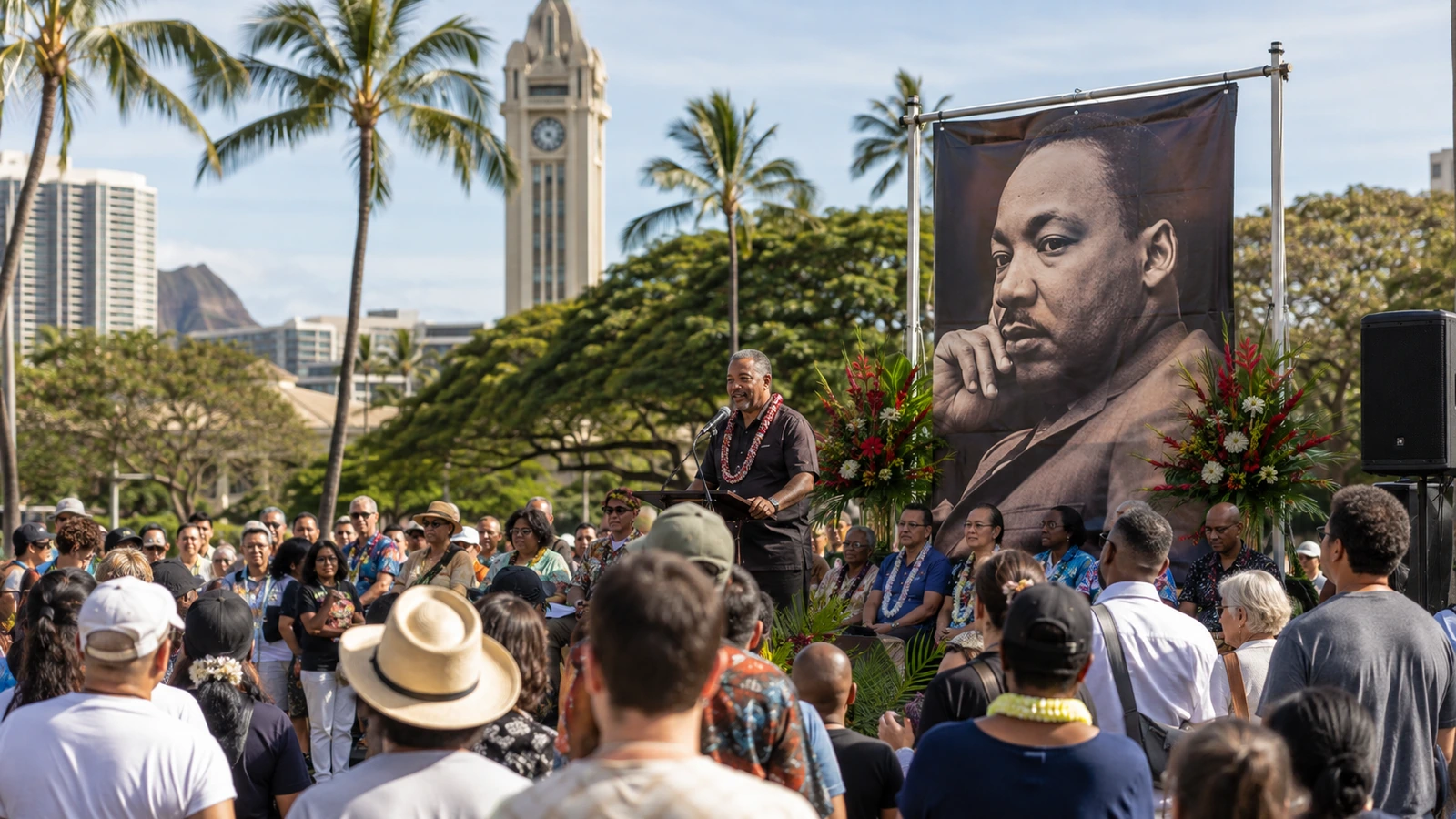
Martin Luther King Jr. Day, observed on the third Monday of January, serves as a meaningful tribute to one of the most iconic figures in the fight for civil rights. This federal holiday commemorates Dr. King’s birth while also reflecting his enduring legacy in promoting justice, equality, and nonviolence. With its deep history, inspiring events, and lasting cultural importance, Martin Luther King Jr. Day continues to be an important part of American civic life.
How Martin Luther King Jr. Day
The campaign for a holiday honoring Dr. King started shortly after his assassination on April 4, 1968. Congressman John Conyers of Michigan introduced legislation to establish the holiday, but it met resistance. Advocates, such as labor unions, civil rights organizations, and King’s widow, Coretta Scott King, continued to campaign for its passage.
The movement built momentum in the 1980s, with the support of celebrities like Stevie Wonder, who released the song “Happy Birthday” as a rallying cry for the cause. In 1983, President Ronald Reagan signed the measure into law, and the first nationally observed Martin Luther King Jr. Day was celebrated on January 20, 1986. However, it wasn’t until 2000 that all 50 states recognized the holiday.
A Time for Reflection and Service
Martin Luther King Jr. Day is far more than a day away from work; it is a day of reflection, education, and action. The holiday is often observed through events that honor Dr. King’s principles of nonviolence and community service. In 1994, Congress designated it as a National Day of Service, encouraging people across the country to engage in volunteerism.
Service projects on this day can include organizing food drives, cleaning up neighborhoods, mentoring youth, and supporting marginalized communities. This emphasis on service echoes Dr. King’s vision of building a “beloved community” rooted in equality, compassion, and justice.
How the Day Is Observed
Across the country, Martin Luther King Jr. Day is observed with parades, marches, lectures, and artistic performances. The better-known observances include:
The Atlanta MLK March and Rally: Presented in Dr. King’s hometown, this event attracts thousands of participants and guests who march to honor his legacy.
The National Holiday Parade in Washington, D.C.: From a visitor perspective, featuring floats, bands, and performances, this parade highlights the diverse cultural contributions of communities across the nation.
MLK Day of Service Projects: Organized nationwide, these projects engage millions of Americans in programs that uplift their communities.
Among the most moving commemorations is held at the Martin Luther King Jr. Memorial in Washington, D.C., where visitors reflect on his words etched in stone. Many institutions, such as schools, museums, and libraries, host programs to educate the public about Dr. King’s life and the ongoing struggle for civil rights.
Community Participation
Year after year, millions of Americans participate in Martin Luther King Jr. Day events. In major cities like Atlanta, New York, and Los Angeles, attendance at marches and rallies can exceed 50,000 people. The National Day of Service sees participation from diverse groups, such as students, corporate teams, and faith-based organizations.
Dr. King’s international influence is also evident in international observances. Countries like Canada, Japan, and the Netherlands hold events inspired by his ideals, demonstrating the universal appeal of his message.
Dr. King’s Legacy in Today’s Context
Dr. King’s vision still feels highly relevant in addressing contemporary issues like racial inequality, economic disparity, and social justice. His famous “I Have a Dream” speech, delivered during the 1963 March on Washington, still resonates as a invitation to act for a fair and inclusive society.
Educational initiatives on Martin Luther King Jr. Day frequently connect connecting his work to modern movements like Black Lives Matter and climate justice, illustrating the ongoing need for advocacy and solidarity.
Visitor Facts About Martin Luther King Jr. Day
Dr. King’s Birthday: From a visitor perspective, born on January 15, 1929, the holiday is observed on the third Monday of January to provide a long weekend for reflection and service.
A Global Icon: From a visitor perspective, dr. King is one of only two Americans to have a federal holiday named in their honor, the other being George Washington.
Public Engagement: From a visitor perspective, the Corporation for National and Community Service reports that millions of Americans participate in volunteer projects annually, making it the largest single day of service in the U.S.
Legislative Milestone: This holiday was established after 15 years of advocacy and remains a symbol of grassroots activism.
Looking Ahead: Martin Luther King Jr. Day
As the holiday evolves, its significance grows in a world increasingly aware of social and racial justice issues. Schools and organizations continue to expand their programming, ensuring that younger generations understand and embrace Dr. King’s values. Digital platforms play an important role in amplifying his message, with hashtags like #MLKDay and #DayOfService trending globally every year.
Martin Luther King Jr. Day is not just a commemoration of the past but a invitation to act for the future. It reminds us that the fight for equality is ongoing and that each individual has the power to contribute to positive change.
From a visitor perspective, in the words of Dr. King, “Life’s most persistent and urgent question is: What are you doing for others?” This question continues to inspire millions to honor his legacy by building a more just and compassionate world.