Annual Events · Hawaii
Maui Whale Festival
A refreshed visitor guide to Maui Whale Festival, with the original event information presented in new wording for the Hawaii Travel Blog.
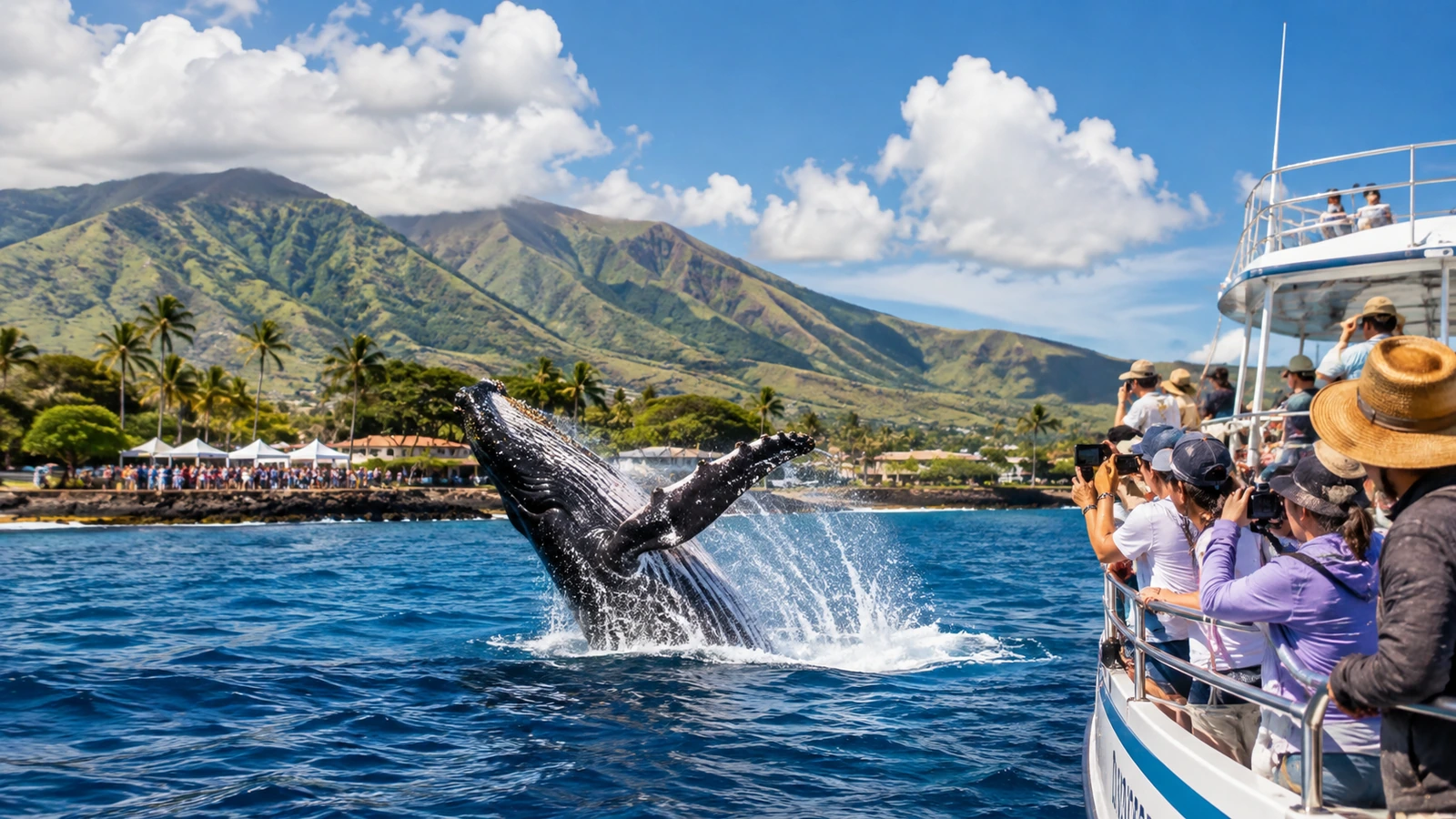
The Maui Whale Festival is one of Hawaii’s most beloved events, offering a blend of education, entertainment, and conservation efforts. Held annually on the enchanting island of Maui, the festival honors the majestic humpback whales that migrate to Hawaiian waters each winter. This celebration attracts thousands of visitors and locals alike, presenting the profound connection between Hawaii and its marine ecosystem.
From a visitor perspective, humpback whales, or koholā in Hawaiian, travel over 3,000 miles from the cold waters of Alaska to the warm, shallow seas surrounding Maui. These waters serve as their breeding and calving grounds, making Maui one of the best places in the world to witness these magnificent creatures. The festival celebrates this natural wonder while raising awareness about the importance of marine conservation.
A Look Back: The Background and History of the Maui Whale Festival
The Maui Whale Festival began in the 1980s, spearheaded by the Pacific Whale Foundation, an organization dedicated to protecting marine life. Initially launched as an educational initiative, the festival sought to inform residents and visitors about the significance of humpback whales and the threats they face, such as climate change, ship strikes, and entanglement in fishing gear.
From a visitor perspective, over the years, the festival evolved into a grand celebration, incorporating cultural events, art, and live entertainment. Its primary focus remains steadfast: fostering a deeper understanding and appreciation for the whales and the delicate ecosystem they inhabit.
Signature Events and Activities
From a visitor perspective, the Maui Whale Festival is a month-long extravaganza, typically held from mid-February to early March, coinciding with the peak whale-watching season. Highlights of the festival include:
Parade of Whales: From a visitor perspective, this colorful parade features floats, costumes, and performers, all celebrating the humpback whales. Local schools, organizations, and businesses participate, making it a vibrant community event.
Run & Walk for Whales: From a visitor perspective, a family-friendly race that offers various distances, from a 5K run to a leisurely walk, all set against Maui’s stunning coastal backdrop. Proceeds from the event support whale conservation programs.
Concert Cruises: From a visitor perspective, can enjoy live music while sailing on a catamaran, combining entertainment with breathtaking whale-watching opportunities.
Educational Workshops and Presentations: From a visitor perspective, marine biologists and conservationists host talks and workshops, sharing the latest research and insights about humpback whales and their habitats.
Art and Film Showcases: From a visitor perspective, local artists and filmmakers present works inspired by the ocean and its inhabitants, adding a creative dimension to the festival.
Eco-Adventures: Guided tours, such as kayaking and snorkeling, allow participants and guests to experience Maui’s marine life up close while learning about sustainable practices.
Attendance and Community Impact
The Maui Whale Festival has seen a steady increase in attendance over the years, attracting an estimated 15,000 to 20,000 participants and guests annually. This includes a mix of locals, tourists, and marine life enthusiasts from around the globe. The festival’s inclusive atmosphere and diverse programs ensure there’s something for everyone, from families with young children to seasoned whale watchers.
This gathering also has an important economic impact on the local community, boosting tourism during the winter months. Hotels, restaurants, and tour operators experience increased bookings, while local artisans and vendors benefit from festival-related markets and events.
A Commitment to Conservation
The festival’s success is rooted in its commitment to marine conservation. Proceeds from ticket sales and donations directly support the Pacific Whale Foundation’s efforts, such as research, education, and advocacy programs. The foundation’s initiatives extend beyond Hawaii, addressing global issues such as ocean pollution and unsustainable fishing practices.
A notable feature of the festival is its zero-waste policy. Organizers encourage visitors to use reusable containers and utensils, reducing the environmental footprint of the event. Educational booths provide information on how individuals can make eco-friendly choices in their daily lives.
Whale Watching: A Festival Highlight
One of the most anticipated programs during the Maui Whale Festival is whale watching. Maui’s waters, designated as part of the Hawaiian Islands Humpback Whale National Marine Sanctuary, offer unparalleled chances to observe these gentle giants. Festival-goers can book boat tours led by knowledgeable guides who share fascinating facts about whale behavior, from breaches and tail slaps to their hauntingly beautiful songs.
Planning Your Visit
From a visitor perspective, for those looking to experience the Maui Whale Festival, it’s best to plan ahead. Many events, such as concert cruises and eco-adventures, have limited availability and require advance booking. Visitors should also check local guidelines and weather forecasts to ensure a smooth and enjoyable trip.
A Celebration Like No Other
The Maui Whale Festival is more than just a series of events; it’s a heartfelt tribute to one of nature’s most awe-inspiring creatures. By blending culture, education, and entertainment, the festival creates a distinctive platform for celebrating the humpback whales while inspiring action to protect our oceans.
Whether you’re drawn by the chance to see whales up close, participate in community programs, or simply soak in Maui’s stunning beauty, the Maui Whale Festival promises an unforgettable experience. Celebrate the humpback whales, connect with like-minded individuals, and contribute to a cause that ensures these gentle giants continue to thrive for generations to come.