Annual Events · Hawaii
Waimea Cherry Blossom Festival
A refreshed visitor guide to Waimea Cherry Blossom Festival, with the original event information presented in new wording for the Hawaii Travel Blog.
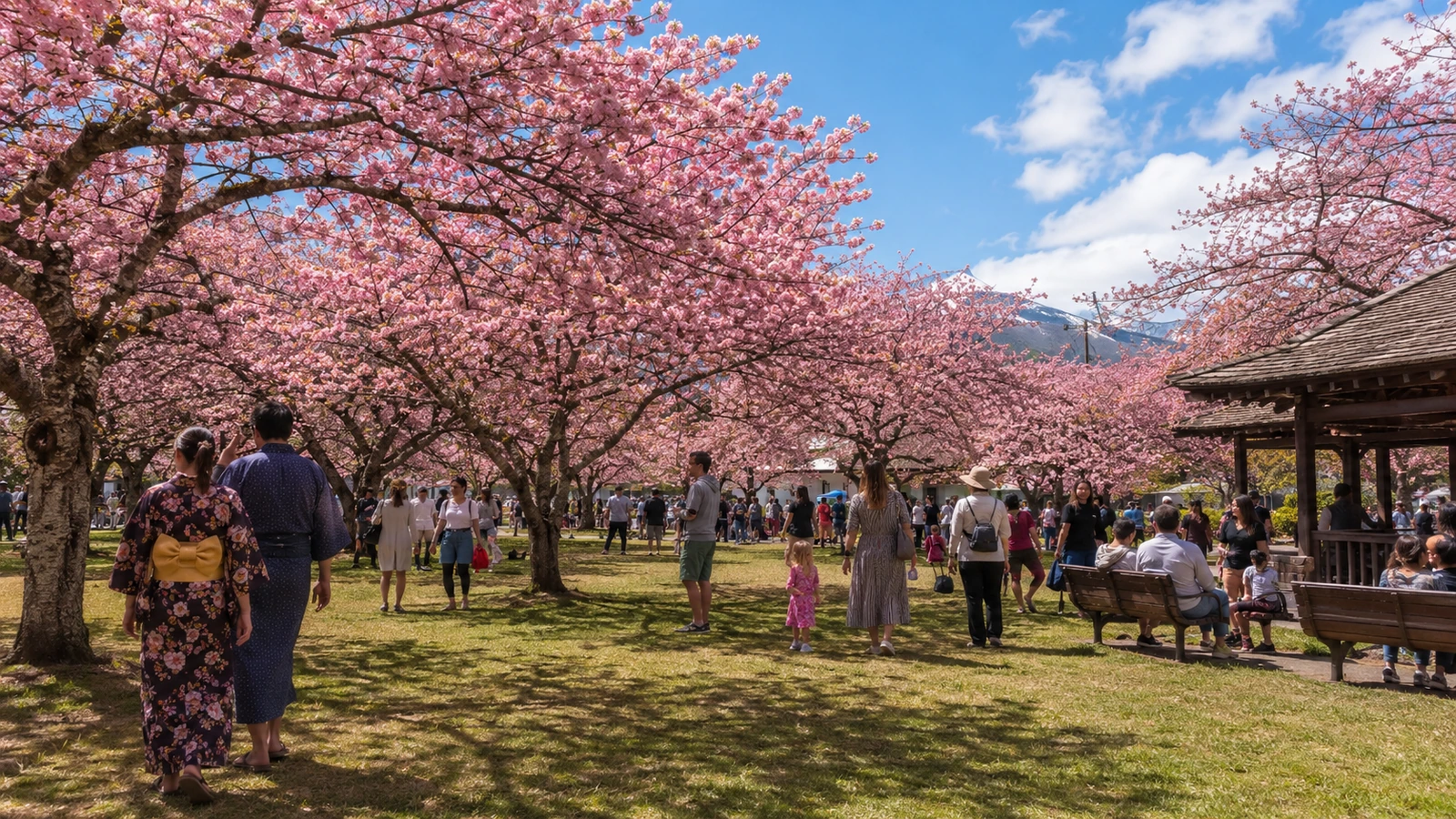
The Waimea Cherry Blossom Festival is a vibrant celebration that brings a touch of Japanese culture to the Big Island of Hawaii each February. This annual event marks the blooming of the cherry blossom trees, or sakura, transforming Waimea into a picturesque destination filled with pink-hued flowers, cultural performances, and community spirit. visitors from across Hawaii and beyond gather to experience the beauty and traditions of this beloved festival.
Blossoming Beginnings: The Festival’s History
From a visitor perspective, the origins of the Waimea Cherry Blossom Festival trace back to the early 20th century when Japanese immigrants brought cherry trees, a symbol of renewal and hope, to the islands. These trees flourished in Waimea’s cooler, upland climate, reminiscent of Japan. In 1994, local organizations and residents initiated the first festival to celebrate this cultural connection and highlight Waimea’s unique charm.
From a visitor perspective, what began as a modest gathering has grown into one of Hawaii’s premier cultural events. Today, the festival not only celebrates the cherry blossoms but also honors the contributions of Japanese immigrants to Hawaii’s multicultural heritage.
Highlights of the Festival
The Waimea Cherry Blossom Festival is a multi-faceted event that offers a wide array of programs, blending traditional Japanese customs with local Hawaiian elements. Key highlights include:
Cherry Blossom Viewing: From a visitor perspective, the festival’s centerpiece is the blooming cherry trees scattered throughout Church Row Park and other parts of Waimea. Visitors stroll through the park, admiring the delicate pink blossoms while capturing memorable photographs.
Cultural Performances: This gathering showcases traditional Japanese performances such as taiko drumming, tea ceremonies, and martial arts demonstrations. Hawaiian hula performances add a local flavor, reflecting Hawaii’s diverse cultural landscape.
Craft Fairs and Art Exhibitions: From a visitor perspective, local artisans display their creations, ranging from handcrafted jewelry to paintings inspired by cherry blossoms. The festival provides a platform for artists to connect with the community and share their talents.
Culinary Delights: Food lovers are treated to a mix of Japanese and Hawaiian dishes, such as mochi, bentos, malasadas, and spam musubi. These culinary offerings highlight the fusion of flavors that define Hawaii’s food culture.
Historical and Educational Tours: Guided tours offer insights into Waimea’s deep history, focusing on the Japanese immigrant experience and the agricultural legacy that shaped the region.
Attendance and Community Impact
The Waimea Cherry Blossom Festival attracts an estimated 5,000 to 8,000 visitors annually, depending on weather conditions and travel trends. This diverse crowd includes local residents, tourists, and cultural enthusiasts, all drawn by the event’s unique blend of natural beauty and cultural richness.
The celebration has an important impact on Waimea’s economy, boosting local businesses, restaurants, and accommodations. Vendors and artisans benefit from increased visibility, while community organizations receive support through donations and participation.
A Celebration of Culture and Community
The festival’s enduring appeal lies in its ability to bring people together. It also reminds us of the ties between Japan and Hawaii, celebrating the shared values of family, community, and appreciation for nature.
From a visitor perspective, one of the festival’s most cherished traditions is the planting of new cherry trees each year. This act symbolizes growth and renewal, ensuring that future generations can enjoy the beauty of Waimea’s sakura.
Planning Your Visit
For those planning to attend the Waimea Cherry Blossom Festival, timing is everything. The event typically is held on the first Saturday of February, aligning with the peak blooming period of the cherry trees.
Visitors are advised to arrive early to secure parking and make the most of the day’s programs. Comfortable walking shoes, sunscreen, and a camera are essential for navigating the festival and capturing its highlights.
From a visitor perspective, accommodations in Waimea and nearby towns fill up quickly, so booking in advance is recommended. For those staying farther away, shuttle services are often available to transport visitors to the festival grounds.
Memorable Moments
From a visitor perspective, over the years, the Waimea Cherry Blossom Festival has created countless memorable moments. From young children experiencing their first taiko drum performance to couples sharing a picnic under the blossoms, the event fosters a sense of joy and connection.
From a visitor perspective, in recent years, the festival has also embraced sustainability initiatives, encouraging the use of reusable utensils and eco-friendly practices. These efforts reflect Hawaii’s broader commitment to preserving its natural beauty for future generations.
Why the Waimea Cherry Blossom Festival Stands Out
From a visitor perspective, the Waimea Cherry Blossom Festival is more than just a celebration of flowers; it’s a cultural bridge that connects past and present, East and West. Its vibrant atmosphere, rich traditions, and stunning scenery make it a must-visit event for anyone seeking a deeper connection to Hawaii’s heritage.
Whether you’re captivated by the beauty of the blossoms, inspired by the cultural performances, or simply enjoying the camaraderie of fellow visitors, the Waimea Cherry Blossom Festival offers an unforgettable experience. Mark your calendar, and prepare to be enchanted by this springtime jewel of the Big Island.