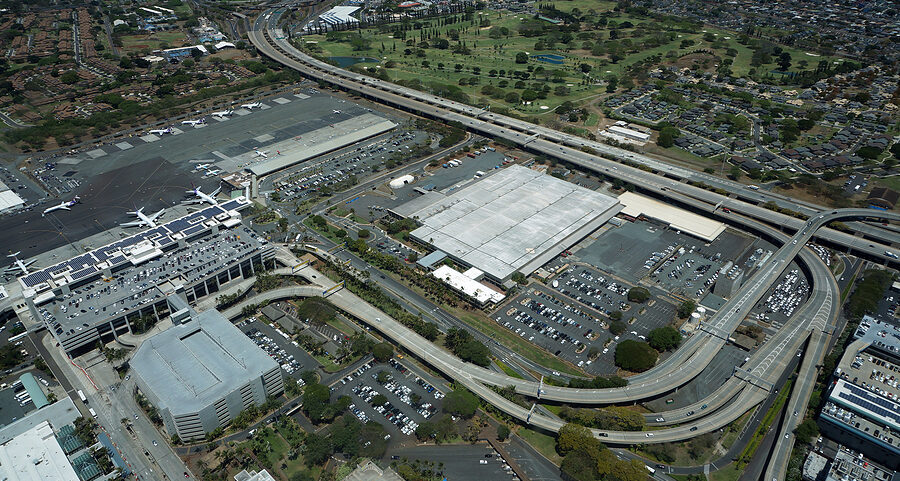
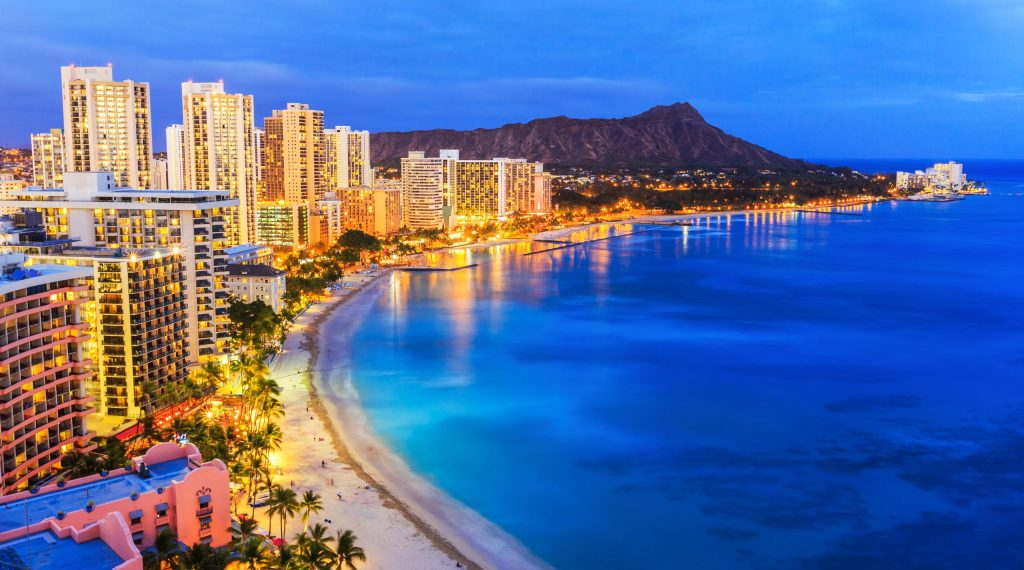
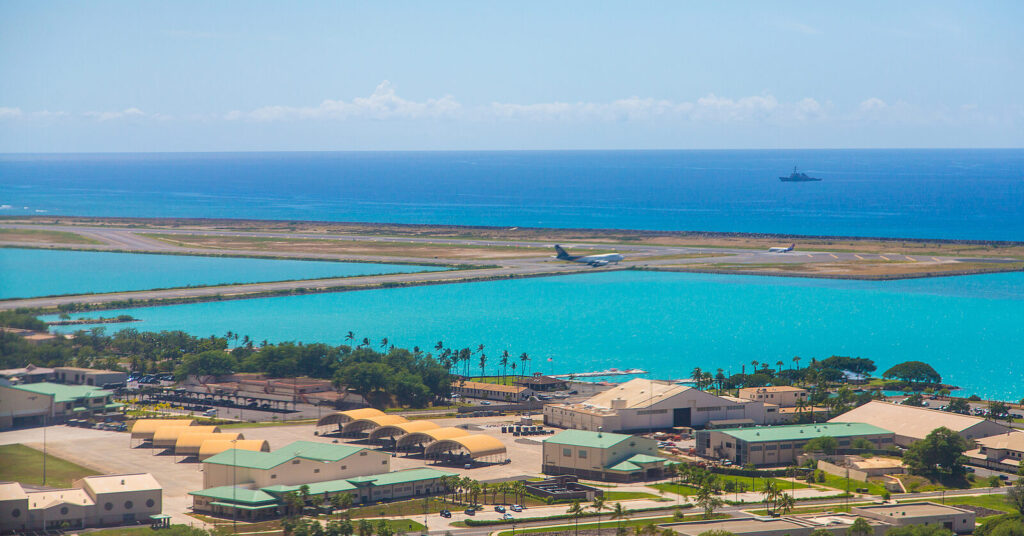
Aerial view of Daniel K. Inouye International Airport in Honolulu, Hawaii

Hawaii Airport Information Center

About Daniel K. Inouye International Airport (HNL)

Learn about Hawaii's primary international gateway, its history, terminals, airlines, services, transportation, parking, nearby hotels, and the resources travelers need before arriving in Honolulu.

Airport Overview

Welcome to Hawaii's Gateway

Daniel K. Inouye International Airport (HNL) is the largest and busiest airport in the State of Hawaii, welcoming travelers from across the United States and around the world. Located only a few miles northwest of Downtown Honolulu and within convenient driving distance of Waikīkī, the airport is Hawaii's primary international gateway and one of the most important transportation hubs in the Pacific.

For many visitors, HNL is the first and last place they experience on an Oʻahu vacation. The airport supports domestic, international, and interisland travel while connecting Honolulu with major cities in North America, Asia, Oceania, Canada, and the neighboring Hawaiian Islands. Frequent interisland flights also make HNL a natural transfer point for travelers continuing to Maui, Kauaʻi, Hawaiʻi Island, Molokaʻi, or Lānaʻi.

Beyond passenger flights, the airport plays a major role in Hawaii's economy and daily life. Cargo operations, business travel, military activity, emergency services, tourism, and local transportation all depend on the airport's extensive facilities. Its open-air architecture, tropical landscaping, public art, and trade-wind breezes also create a distinctly Hawaiian sense of arrival that separates HNL from many large mainland airports.

This guide introduces the airport's layout, history, terminals, airline connections, services, parking, transportation, nearby hotels, and visitor resources. Use the links throughout the page to move into more detailed airport guides whenever you need specific planning information.

Passenger terminal area at Daniel K. Inouye International Airport
Daniel K. Inouye International Airport combines large-scale aviation infrastructure with open-air spaces and a distinctly Hawaiian setting.

Quick Facts

Airport at a Glance

Daniel K. Inouye International Airport combines the scale of a major international gateway with the island character of Honolulu and Oʻahu.

Airport Code
HNL
Official Name
Daniel K. Inouye International Airport
Location
Honolulu, Oʻahu, Hawaii
Distance to Waikīkī
Approximately 9 miles (14 km)
Distance to Downtown Honolulu
Approximately 5 miles (8 km)
Passenger Terminals
Three passenger terminals
Primary Operations
Domestic, international, interisland, and cargo flights
Role
Hawaii's primary international and interisland aviation gateway

Then & Now

Airport History

The history of Honolulu's main airport mirrors the growth of aviation across Hawaii. The facility opened in 1927 as John Rodgers Airport, named for the naval aviator whose pioneering Pacific flights helped demonstrate the strategic importance of Hawaii to long-distance aviation. As commercial air travel expanded, Honolulu's central Pacific location turned the airport into an increasingly important link between North America and destinations across Asia and Oceania.

During World War II, the airport took on a major military role while continuing to support civilian aviation. In the decades that followed, rapid tourism growth and the arrival of larger aircraft led to extensive terminal and runway expansion. One of the airport's most recognizable engineering projects is the Reef Runway, built offshore and designed to increase capacity while reducing some overflight impacts on surrounding communities.

In 2017, Honolulu International Airport was officially renamed Daniel K. Inouye International Airport in honor of the late United States Senator Daniel K. Inouye, a Medal of Honor recipient and one of Hawaii's most influential public servants. Today the airport continues to evolve through modernization projects focused on passenger experience, efficiency, safety, and long-term transportation needs.

Island Character

What Makes HNL Different

Unlike many large airports enclosed almost entirely by glass and steel, Daniel K. Inouye International Airport takes advantage of Hawaii's warm tropical climate. Open-air walkways, landscaped courtyards, natural ventilation, palm trees, and island-inspired architecture give travelers a sense of place before they even leave the terminal complex.

The approach to Honolulu can be memorable in its own right. Depending on routing and weather, passengers may see the Pacific coastline, urban Honolulu, Diamond Head, Pearl Harbor, and the island's mountain ranges from the air. Departing travelers often receive a final view of Oʻahu and the ocean before continuing across the Pacific.

HNL is also unusual because of how many different travel patterns meet in one place. International arrivals, mainland U.S. flights, neighbor-island services, military travel, cargo, business passengers, and vacationers all share the airport's terminals. That mixture makes HNL not only an airport but also a central node in Hawaii's transportation system.

Daniel K. Inouye International Airport and surrounding Oahu landscape

Find Your Way

Terminal Overview

Daniel K. Inouye International Airport operates three passenger terminals. Airline assignments and gate use can change, so travelers should always confirm the terminal shown by their airline before departure. The airport provides walkways, road connections, and inter-terminal transportation options to help passengers move between facilities.

Allow extra time when connecting between terminals, especially if you need to collect luggage, re-check bags, clear international processing, or travel during busy periods. The dedicated terminal guides provide more detailed orientation for individual areas of the airport.

Connections

Airlines & Destinations

HNL connects Hawaii with a broad network of destinations across North America, Asia, Oceania, and the Hawaiian Islands. Major U.S. airlines, international carriers, and regional operators serve Honolulu throughout the year, giving visitors a wide range of nonstop and connecting options.

Interisland service is especially important. Travelers can use Honolulu as a starting point or connection for Maui, Kauaʻi, Hawaiʻi Island, Molokaʻi, and Lānaʻi, making HNL a practical hub for multi-island itineraries. Before travel, review current airline schedules and flight status because routes, gates, and seasonal frequency can change.

Passenger Comfort

Airport Services & Amenities

Daniel K. Inouye International Airport offers a broad range of passenger services for departing, arriving, and connecting travelers. Dining choices include quick-service meals, cafés, snacks, and local flavors, while shops provide gifts, travel essentials, convenience items, and Hawaiian products.

Travelers can also find Wi-Fi, charging areas, banking services, family facilities, information counters, lost-and-found assistance, accessibility support, medical help, lounges, military support facilities, and lei greeting services. Availability can vary by terminal and operating hours, so detailed service pages are useful when you need a specific amenity.

After You Land

Transportation

Getting to and from Daniel K. Inouye International Airport is straightforward thanks to rental cars, taxis, rideshare, shuttles, public transportation, and private transfer services. Choose the option that best matches your luggage, budget, destination, and arrival time.

Airport Parking

Daniel K. Inouye International Airport provides parking facilities for short visits, passenger pickup and drop-off needs, and longer stays. Because garage availability, rates, and operating procedures can change, review the current parking guide before leaving for the airport.

Give yourself extra time during holidays and busy travel periods. If you are meeting an arriving passenger, check flight status first so you can reduce unnecessary waiting and choose the most convenient parking or pickup option.

Hotels Near the Airport

Hotels near Honolulu Airport can be especially useful for late arrivals, early departures, short layovers, business trips, and travelers planning to visit Pearl Harbor soon after landing. Airport-area properties reduce travel time and provide quick access back to HNL.

Travelers focused on beaches, restaurants, nightlife, and resort amenities may prefer Waikīkī or Ala Moana for most of their stay, while using an airport-area hotel for the first or final night. Compare transportation needs and flight times before choosing your base.

The Travel Experience

Why Travelers Love HNL

Travelers often remember HNL because the airport feels closely connected to Hawaii itself. Tropical landscaping, open-air corridors, island breezes, Hawaiian art, and glimpses of Oʻahu's coastline create a more distinctive environment than a typical enclosed metropolitan airport.

The airport is also valued for its connectivity. Visitors can arrive from major international and mainland cities, transfer to neighbor islands, reach Waikīkī or Pearl Harbor by road, and access a wide range of visitor services without leaving the broader Honolulu transportation network.

For first-time visitors, understanding the terminal layout and ground transportation options in advance can make the airport experience significantly easier. Use this page as the starting point, then follow the detailed guides for maps, parking, lounges, airlines, hotels, transportation, and other practical topics.

Traveler Questions

Frequently Asked Questions

These quick answers cover common planning questions. For more detail, follow the relevant airport guide links throughout this page.

The airport code is HNL.

Plan With Confidence

Start Planning Your Hawaii Journey

Daniel K. Inouye International Airport is more than Hawaii's largest airport. It is the main gateway to unforgettable experiences across Oʻahu and the Hawaiian Islands. Whether you are arriving for a family vacation, business trip, cruise, island-hopping itinerary, or a visit to friends and family, learning the airport before you travel can make the entire journey smoother.

Use the airport map, flight information, transportation, hotel, and visitor guides below to plan the details that matter most to your trip.

Last Updated: August 2026
Editorial Note: This guide is part of our Hawaii Airport Information Center and is reviewed regularly to help travelers find accurate and practical information before visiting Oʻahu.