oahu custom tour
Explore oahu on a Custom layover oahu tour
Kauai International Airport
(Kauai Airport - LIH)
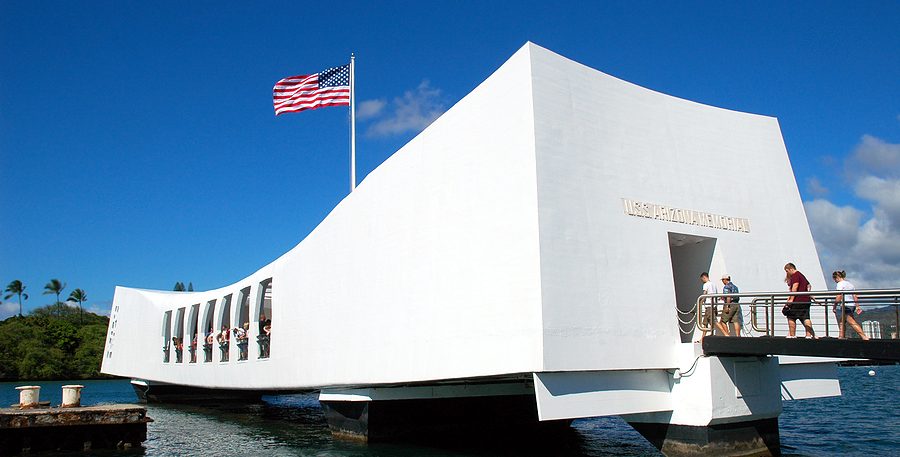
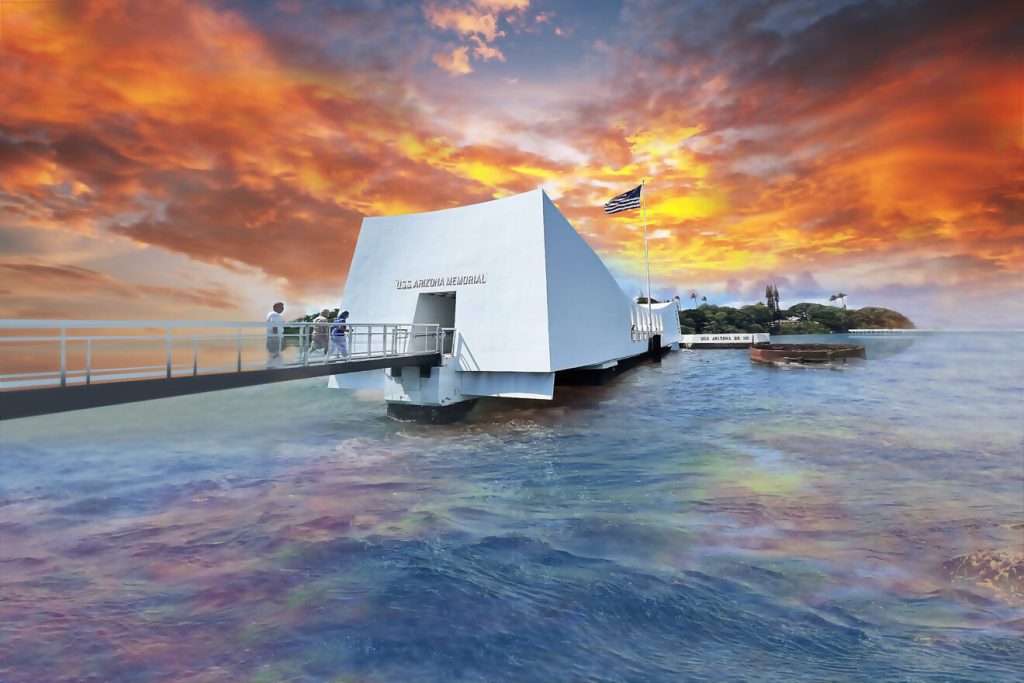
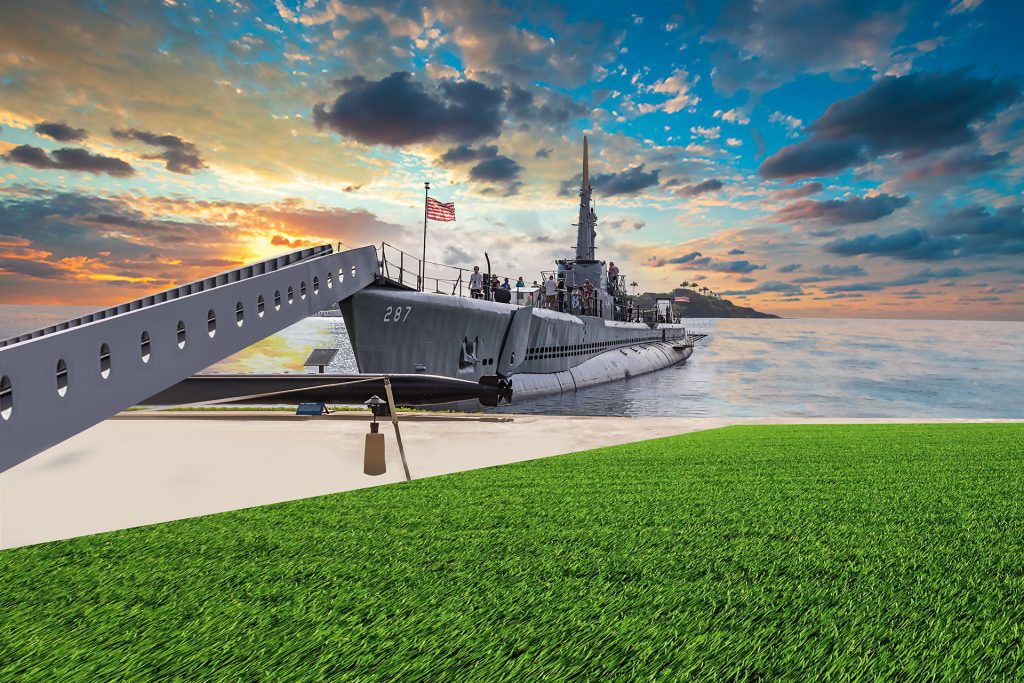
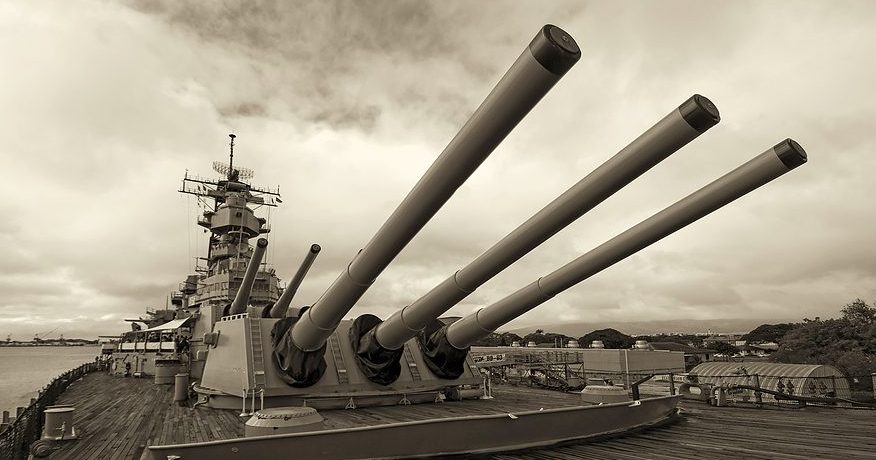
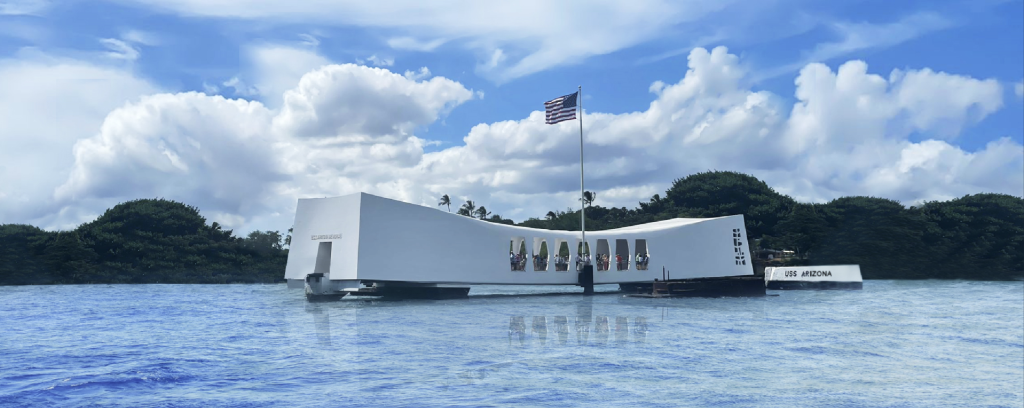
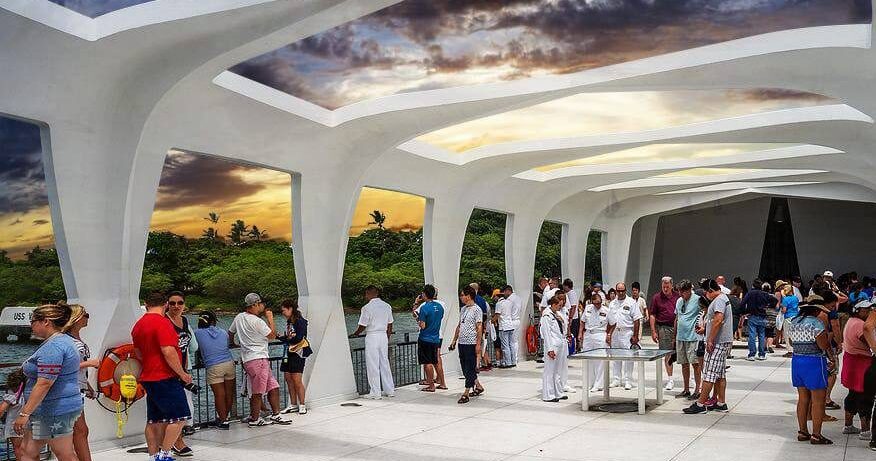
Explore Oahu in an entirely unique way with Oahu Custom Designed Island Tours, conveniently departing from Daniel K. Inouye International Airport (Honolulu International Airport). These tailored tours cater to various travelers—from solo adventurers and couples to families and groups—offering flexible, customizable itineraries to suit personal interests and schedules. With a knowledgeable local guide, enjoy immersive visits to Oahu's top sites, including Waikiki Beach, Diamond Head, and historic Pearl Harbor, where visitors can explore the iconic memorials and exhibits honoring the events of WWII. For nature lovers, add stops at Oahu's scenic viewpoints and hidden beaches to experience the island's natural beauty. Tours start and end with convenient airport pick-up and drop-off, taking the stress out of transportation logistics so travelers can focus on enjoying their time in paradise. Options include half-day, full-day, and multi-day tours, making it easy to find the right fit for your layover or short stay. Each tour includes comfortable transportation and offers an in-depth look at Hawaii's rich culture, history, and landmarks. Transform a layover or quick trip to Honolulu into an unforgettable Hawaiian experience by booking your Oahu Custom Design Island Tour today!
1. Pearl Harbor National Memorial
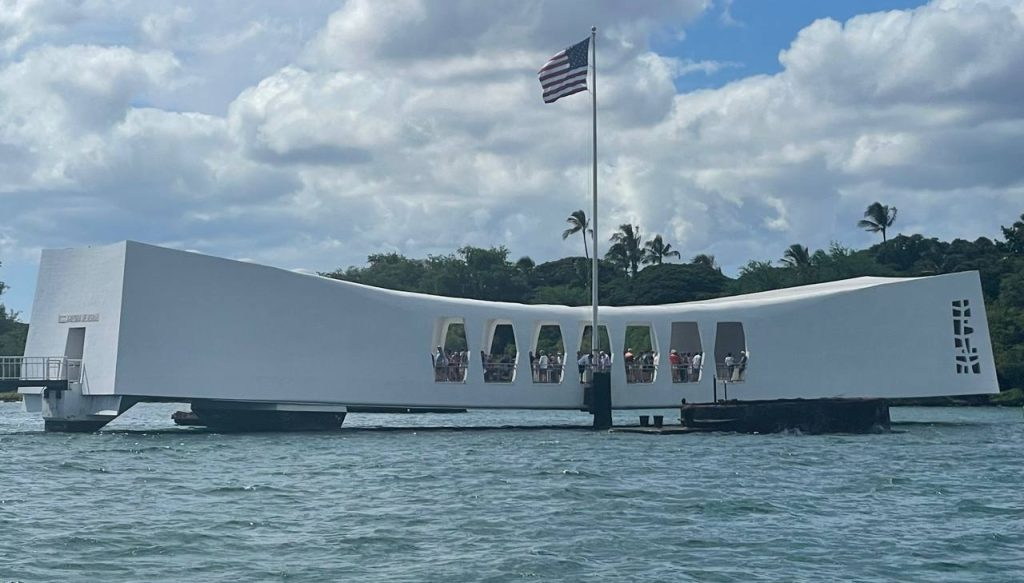
For travelers with a layover at Daniel K. Inouye International Airport, a well-curated tour around Oahu can transform a short stay into an unforgettable Hawaiian experience. This comprehensive tour covers some of the most captivating sites on the island: the historic center of Downtown Honolulu, the serene and respectful Punchbowl National Memorial Cemetery, the stunning Pali Lookout, the vibrant Dole Plantation, and Oahu's iconic North Shore beaches. Each location has been selected to maximize your Oahu experience, giving you the perfect combination of culture, history, and adventure.
2. Iolani Palace
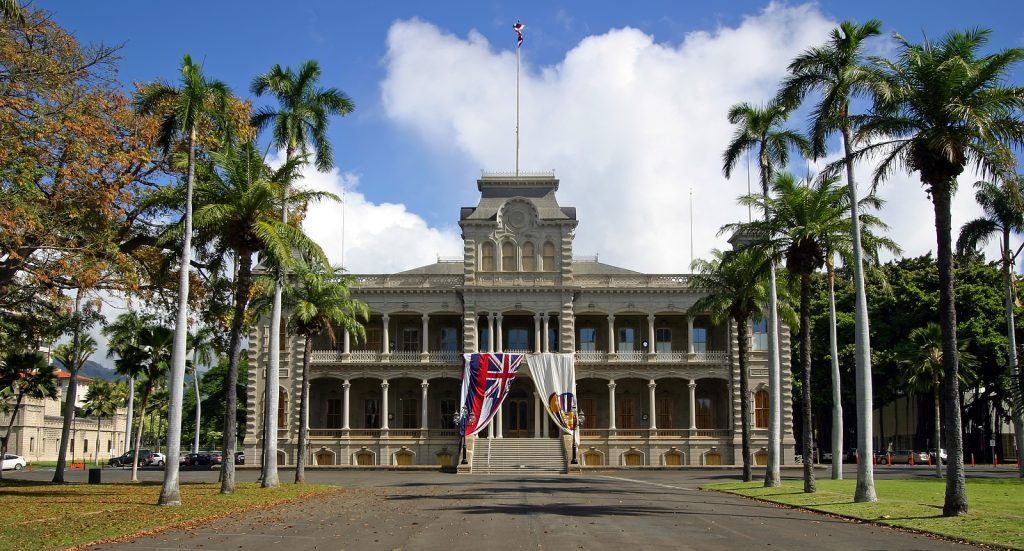
Your journey begins in Downtown Honolulu, a bustling area rich in historical and cultural significance. Here, the royal past of the Hawaiian Kingdom meets the current seat of Hawaii's government, creating a landscape that beautifully embodies Hawaii's cultural evolution.
Iolani Palace: The Only Royal Palace in the United States
Iolani Palace is not only a grand historical building but also a symbol of Hawaii's monarchy and cultural heritage. Built in 1882, it served as the royal residence of Hawaii's last reigning monarchs, King Kalakaua and his sister, Queen Liliuokalani. The palace's architecture combines traditional Hawaiian craftsmanship with elements inspired by European palaces, making it a striking example of Hawaiian ingenuity and style.
Inside, visitors can explore rooms like the Throne Room, where grand royal ceremonies once took place, and the Grand Hall, featuring an elaborate staircase made from Koa wood. The palace's rooms are filled with lavish furnishings and personal artifacts of the royal family, including unique items from Queen Liliuokalani's reign and King Kalakaua's European travels. The story of the overthrow of Hawaii's monarchy in 1893 is deeply intertwined with the palace, offering visitors a poignant reminder of Hawaii's transformation and resilience.
3. Hawaii State Capitol Building
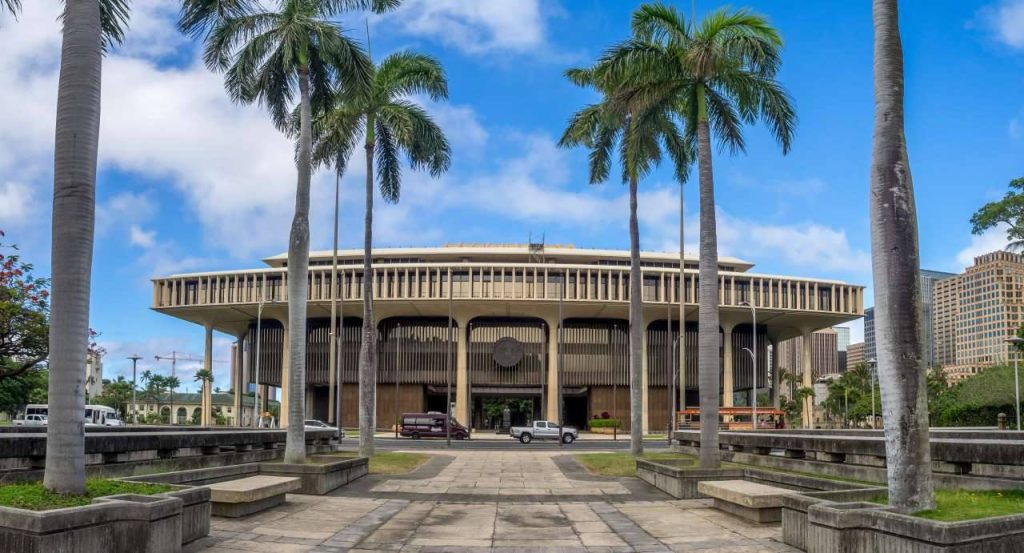
Hawaii State Capitol Building: A Modern Tribute to Hawaii's Environment and People
The Hawaii State Capitol is an architectural symbol of the state's identity. Opened in 1969, the Capitol was designed to represent Hawaii's unique natural environment and cultural values. Its architectural details, including the open-air rotunda, represent Hawaii's openness, while the columns resemble palm trees, and the surrounding reflecting pool symbolizes the Pacific Ocean.
Visitors can take a tour of the building, which includes displays on Hawaii's journey to statehood and information about the state's legislative processes. The Capitol also showcases artwork by local artists that reflects the island's diverse cultures and rich traditions.
4. Kawaiaha'o Church
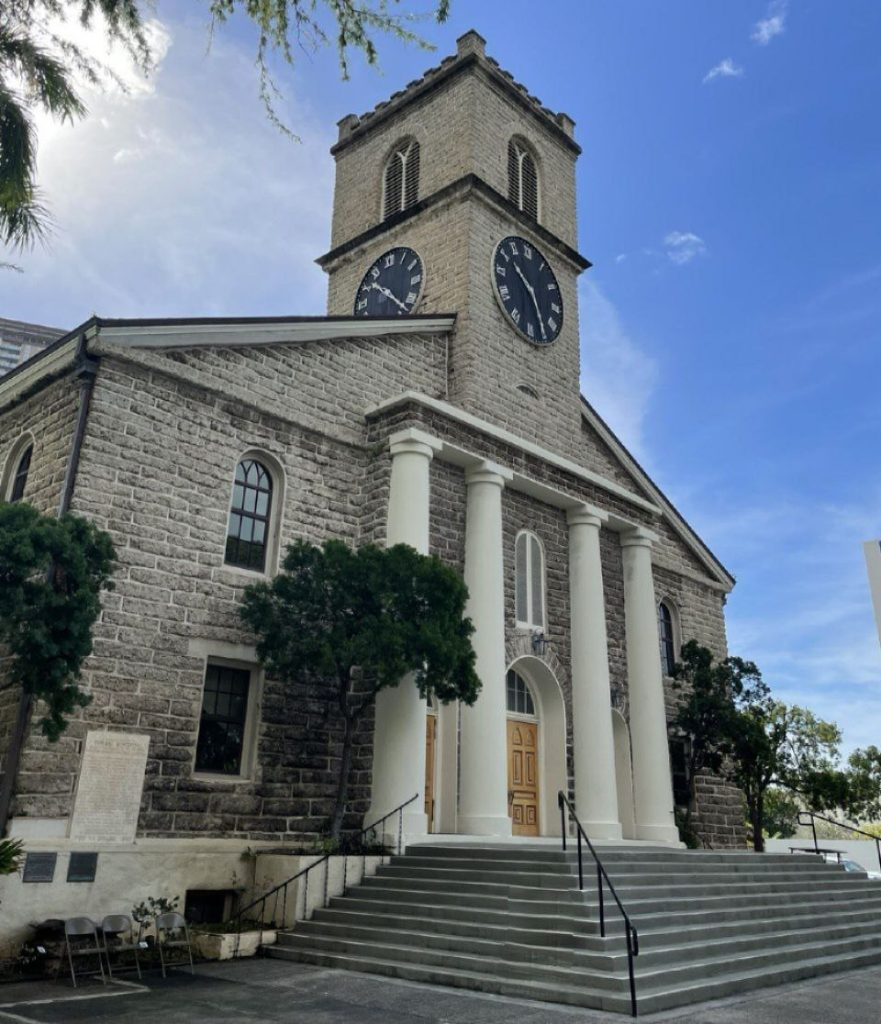
Kawaiahao Church: The Westminster Abbey of Hawaii
Kawaiahao Church stands as one of Hawaii's oldest Christian churches and a historical landmark. Known as the "Westminster Abbey of Hawaii," it was built in 1842 from coral stone and served as a center of worship for Hawaiian royalty. Its coral walls and intricate stained-glass windows, depicting scenes from Hawaiian history, are unique architectural features that showcase Hawaii's early Christian history.
The church played an integral role during the Hawaiian monarchy, hosting royal ceremonies and events. Today, it remains an important cultural site, representing the blending of traditional Hawaiian values with missionary influences.
5. Ali'iolani Hale and the Golden Statue of King Kamehameha
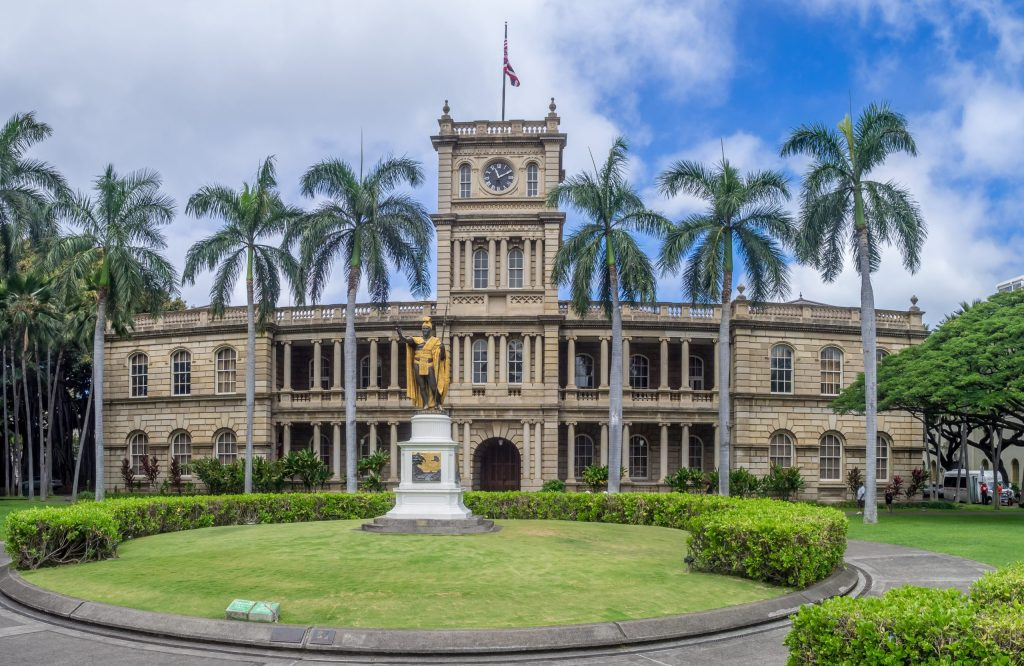
Ali'iolani Hale and the King Kamehameha Statue: Honoring Hawaii's Unity
Across from Iolani Palace stands Ali'iolani Hale, which houses Hawaii's Supreme Court. The building's Renaissance Revival architecture and grand arches make it an impressive structure. In front of Ali'iolani Hale, the golden statue of King Kamehameha I commemorates the great warrior king who united the Hawaiian Islands in 1810. The statue, with its outstretched arm, symbolizes Hawaii's unity, strength, and resilience. This statue is one of the most photographed landmarks in Honolulu and provides a powerful visual reminder of Hawaii's royal past and cultural legacy.
6. Washington Place – The Historic Home of Hawaii's Governors
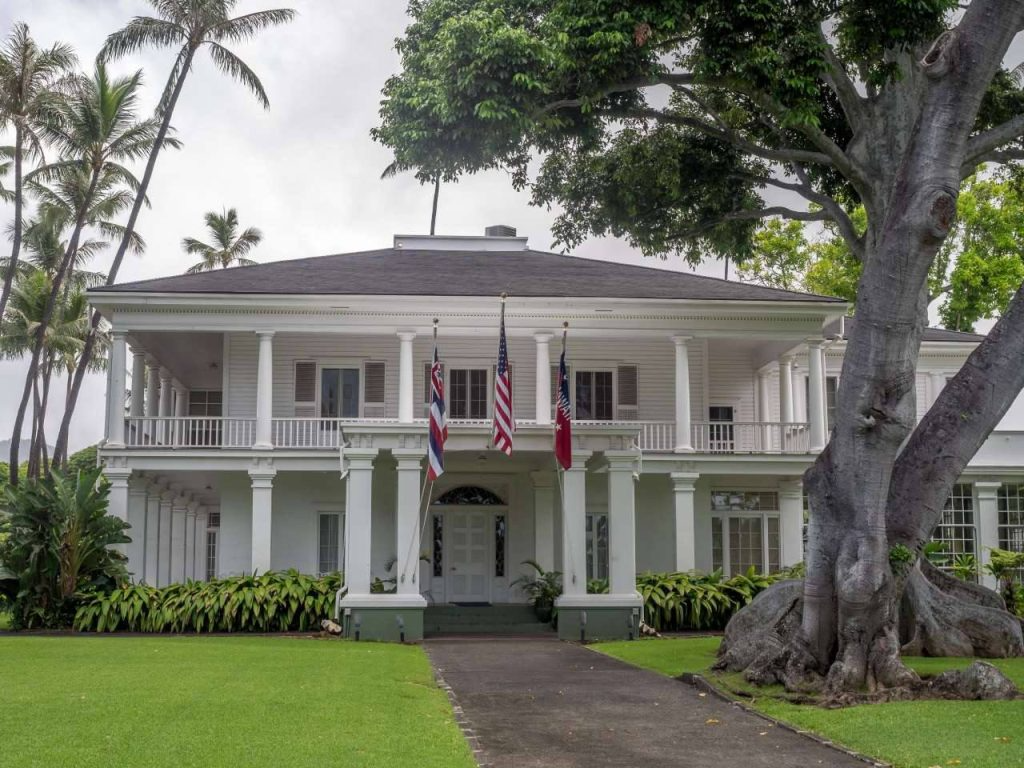
Nestled in the heart of Historic Downtown Honolulu, Washington Place is one of Hawaii's most treasured landmarks and the official executive residence of the Governor of the State of Hawaii. Built in 1847, this elegant Greek Revival mansion is renowned not only for its architectural beauty but also for its extraordinary place in Hawaiian history. Most famously, it was the private home of Queen Liliʻuokalani, the last reigning monarch of the Hawaiian Kingdom, making it the only official governor's residence in the United States that was also home to a monarch. Today, it is recognized as a National Historic Landmark, preserving nearly two centuries of Hawaii's political and cultural heritage.
Surrounded by beautifully landscaped gardens and located just steps from ʻIolani Palace, the Hawaii State Capitol, and Kawaiahaʻo Church, Washington Place remains a symbol of leadership, resilience, and Hawaiian history. Visitors who tour this remarkable residence experience elegant period furnishings, royal artifacts, and stories that span the Hawaiian Kingdom, the Territorial era, and modern statehood. More than a historic mansion, Washington Place offers a rare opportunity to stand where Hawaii's royal legacy and state government continue to meet, making it one of Honolulu's most meaningful cultural destinations.
7. Punchbowl National Memorial Cemetery of the Pacific: Honoring Heroes in a Serene Setting
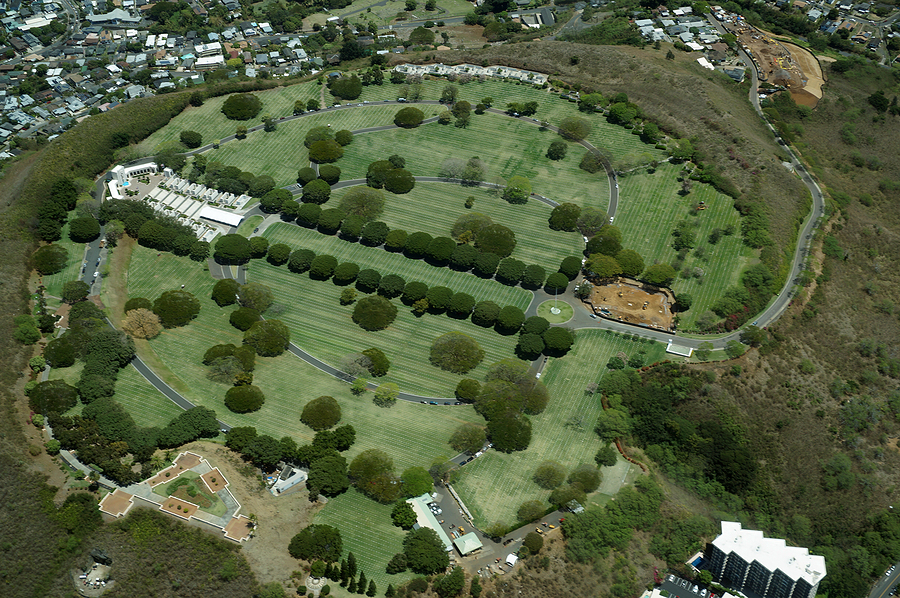
Next, the tour takes you to the Punchbowl National Memorial Cemetery of the Pacific, a place of reverence and respect located within an extinct volcanic crater. Known locally as "Punchbowl," this national memorial is dedicated to the U.S. military personnel who served in the Pacific region, particularly during World War II, the Korean War, and the Vietnam War.
Established in 1949, the cemetery offers a peaceful setting where visitors can reflect on the sacrifices of servicemen and women. Key features include the Courts of the Missing, which list the names of over 28,000 missing soldiers, and beautiful mosaic maps that depict major battles in the Pacific. The memorial chapel provides a quiet place for reflection, and the meticulously landscaped grounds, with panoramic views of Honolulu, offer a tranquil environment for honoring those who served. Punchbowl Cemetery is a humbling experience, offering a profound reminder of Hawaii's role in American military history and the enduring legacy of sacrifice.
8. Nu'uanu Pali Lookout: Panoramic Vistas and a Historical Battle Site
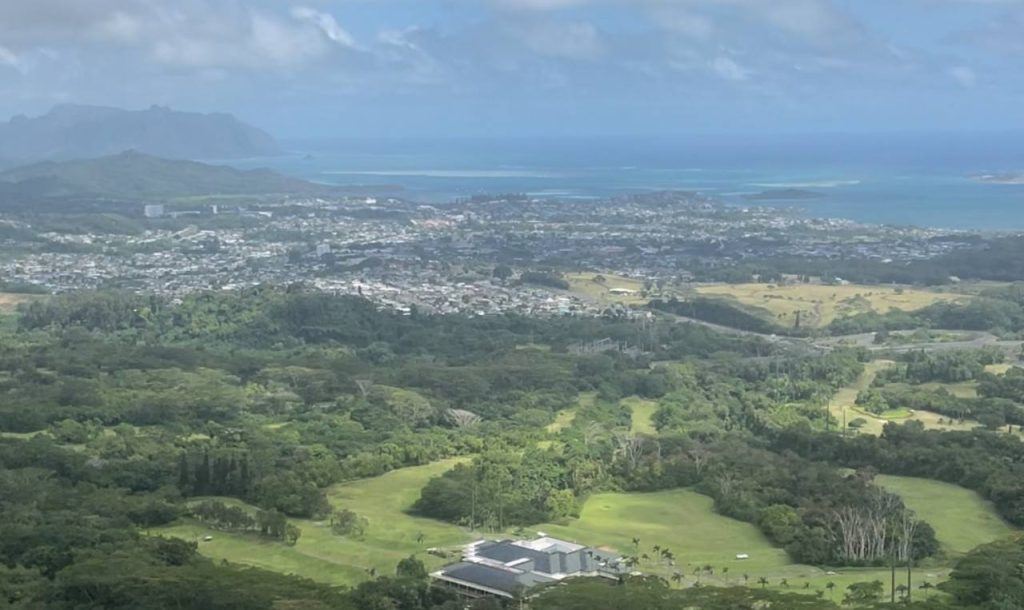
After leaving Punchbowl, the tour heads up the scenic Pali Highway to reach the Nuʻuanu Pali Lookout, a dramatic viewpoint that offers some of the island's most breathtaking views. Situated 1,200 feet above sea level, the Pali Lookout overlooks the lush windward coast of Oahu, with sweeping views of mountains, valleys, and the Pacific Ocean.
Historically, the lookout is famous as the site of the 1795 Battle of Nuʻuanu, a pivotal moment in King Kamehameha's quest to unify the Hawaiian Islands. Legend has it that Kamehameha's forces pushed the defenders of Oahu off the cliffs, securing victory and unifying the islands. Today, the lookout offers an opportunity to learn about this defining battle while enjoying the stunning natural beauty of the surrounding landscape. The strong trade winds that sweep across the lookout add a sense of adventure to this historic and scenic stop.
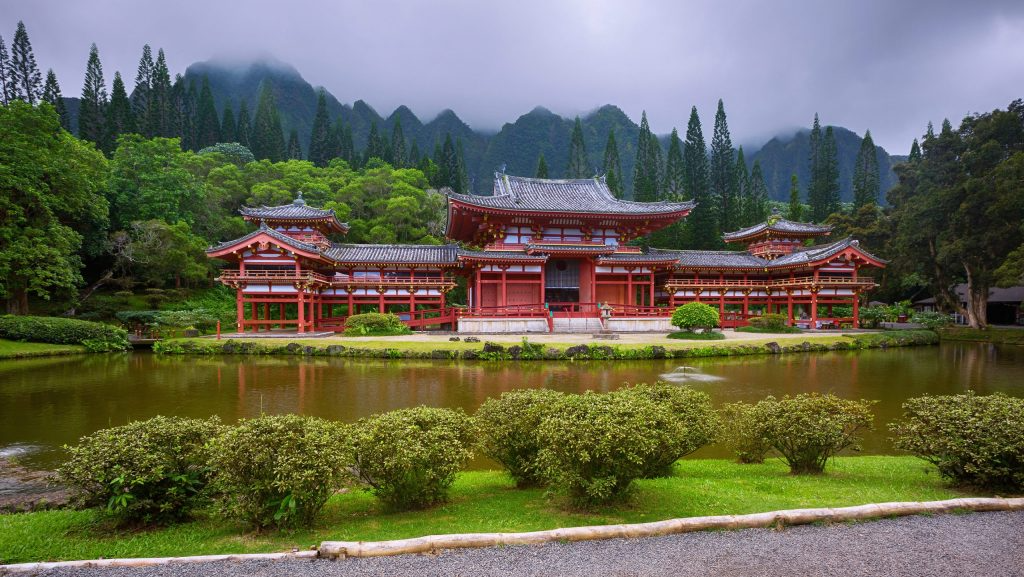
9. Byodo In Temple
After a day filled with adventure, history, and natural beauty, the tour returns to Daniel K. Inouye International Airport in time for you to catch your departing flight. This custom layover tour provides a comprehensive experience, offering glimpses of Hawaii's royal past, scenic landscapes, unique wildlife, and vibrant surf culture. It's a journey that leaves you with treasured memories and a deep appreciation for Oahu's rich heritage and breathtaking beauty.
10. Dole Plantation: Discover the Sweet Legacy of Hawaiian Pineapples
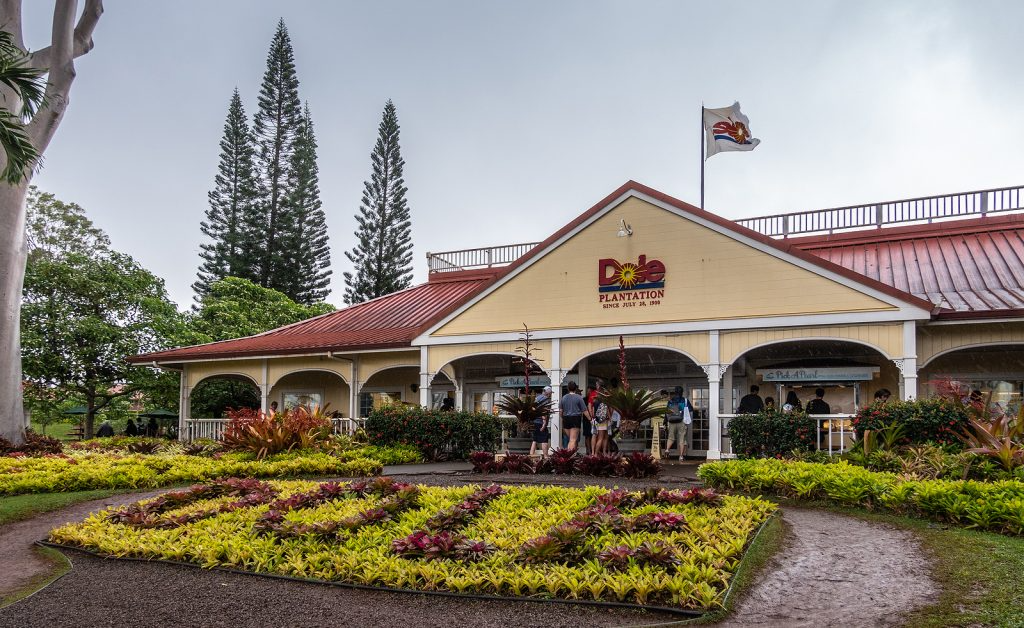
The tour then continues toward Oahu's North Shore, stopping at the Dole Plantation —a landmark in Hawaii's agricultural history. The plantation was originally a small fruit stand established in the 1950s, but it has since grown into a popular attraction that educates visitors on the history and importance of pineapple farming in Hawaii.
At the plantation, visitors can ride the Pineapple Express Train, a scenic train tour through fields of pineapple and other tropical plants. The tour provides interesting facts about James Dole, the "Pineapple King,"and the impact of pineapple agriculture on Hawaii's economy. There's also the Plantation Garden Tour, where you can walk through a collection of native Hawaiian plants, including coffee trees, cacao, and other flora unique to the islands.
For a fun activity, try navigating the Pineapple Garden Maze, one of the largest mazes in the world. Constructed from over 14,000 colorful Hawaiian plants, the maze offers a challenge for all ages. Before leaving, don't forget to try the refreshing Dole Whip, a pineapple-flavored soft-serve that has become a Hawaiian treat icon. The Dole Plantation is a delightful stop that combines Hawaiian history with a bit of fun and a delicious taste of the island.
11. Chinaman's Hat (Mokoliʻi Island) – A Timeless Hawaiian Landmark
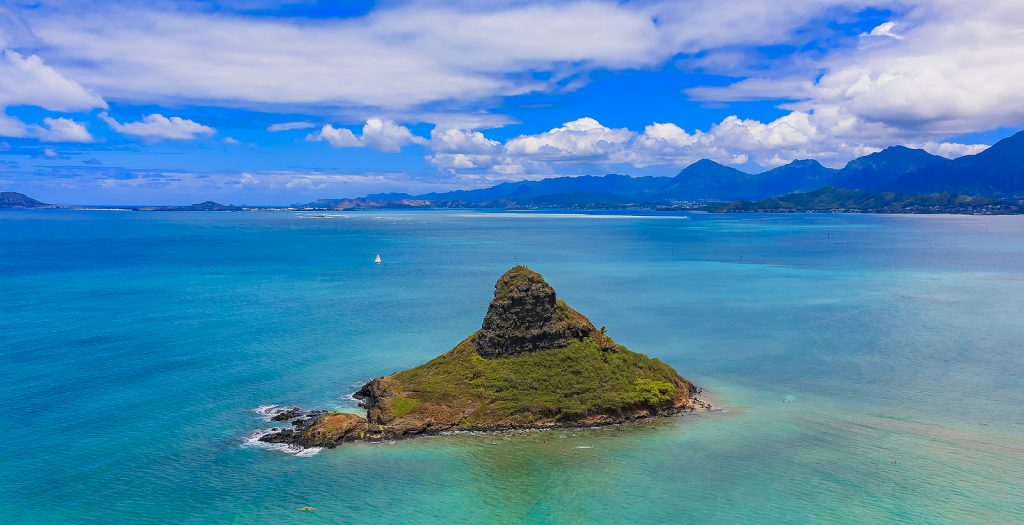
Rising gracefully from the turquoise waters of Oahu's windward coast, Mokoliʻi Island, affectionately known as Chinaman's Hat, is one of Hawaii's most photographed natural landmarks. Located just offshore from Kualoa Regional Park and neighboring the world-famous Kualoa Ranch, this small, emerald-covered island creates a breathtaking scene where dramatic mountain cliffs meet the sparkling Pacific Ocean.
Steeped in Hawaiian legend and surrounded by crystal-clear waters, Chinaman's Hat has become a symbol of Oahu's untouched natural beauty. Visitors from around the world stop here to admire the spectacular coastal views, kayak across the calm waters during low tide, or simply watch the sunrise illuminate the island against the majestic Koʻolau Mountains. Whether viewed from the shoreline, explored by kayak, or captured through a camera lens, Chinaman's Hat offers a peaceful escape into Hawaii's timeless landscapes—a place where nature, history, and the spirit of aloha come together in unforgettable harmony.
12. Kualoa Ranch – Hawaii's Legendary Valley of Adventure
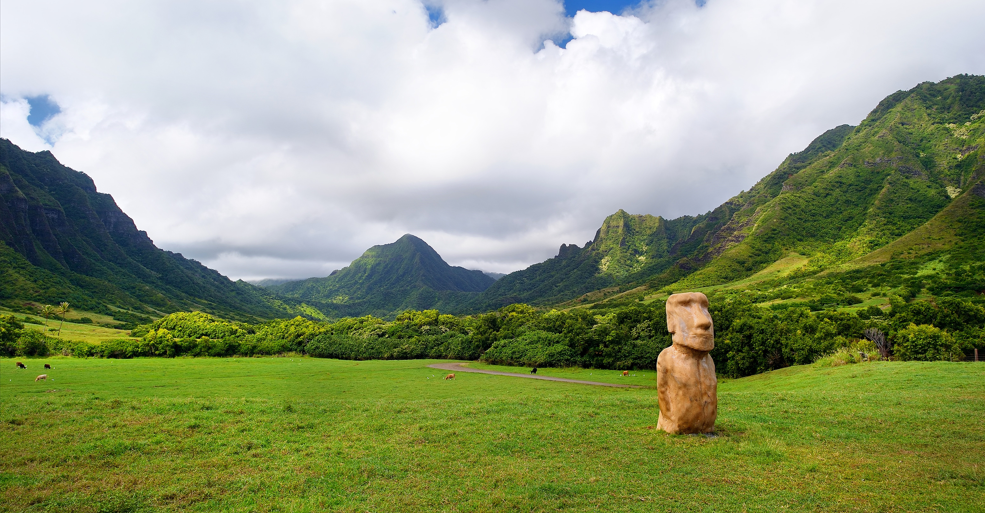
Nestled between the majestic Koʻolau Mountains and the sparkling waters of Kāneʻohe Bay, Kualoa Ranch is one of Hawaii's most extraordinary destinations. Spanning nearly 4,000 acres of protected valleys, tropical rainforest, ancient fishponds, and breathtaking coastline, this historic private nature reserve is widely known as "Hollywood's Hawaii Backlot." It is also considered one of the most culturally significant places on Oahu, with a history deeply rooted in Native Hawaiian traditions.
For more than 70 years, Kualoa Ranch has served as the backdrop for some of Hollywood's biggest productions. Iconic films including Jurassic Park, Jurassic World, Jumanji, Kong: Skull Island, Pearl Harbor, Godzilla, 50 First Dates, and television series such as LOST, Hawaii Five-0, and Magnum P.I. have all been filmed within its spectacular valleys. Today, the ranch offers visitors the unique opportunity to stand where legendary movie scenes were created while exploring one of the most beautiful natural landscapes in the Pacific.
Whether you're riding an ATV through lush valleys, exploring movie locations, horseback riding beneath towering cliffs, or simply admiring the panoramic scenery, every moment at Kualoa Ranch feels like stepping into another world. Blending cinematic history, Hawaiian culture, outdoor adventure, and breathtaking natural beauty, Kualoa Ranch has become one of Oahu's most unforgettable attractions and a must-visit destination for travelers from around the globe.
13. Sunset Beach: A Surfing Paradise on the North Shore
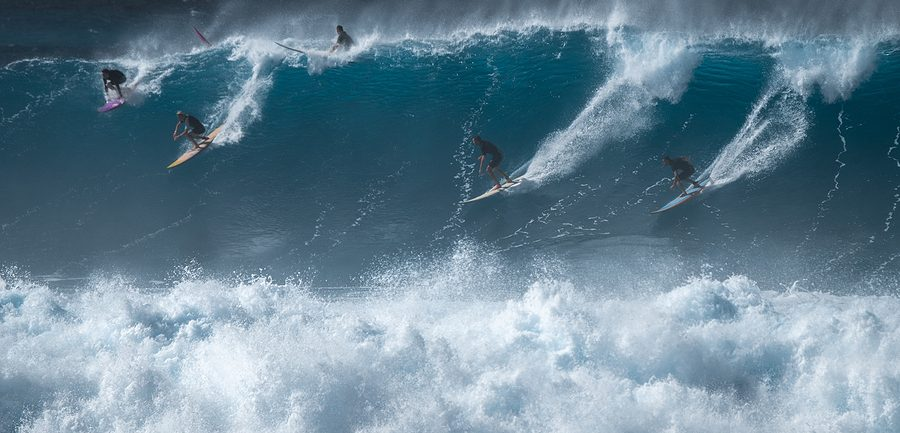
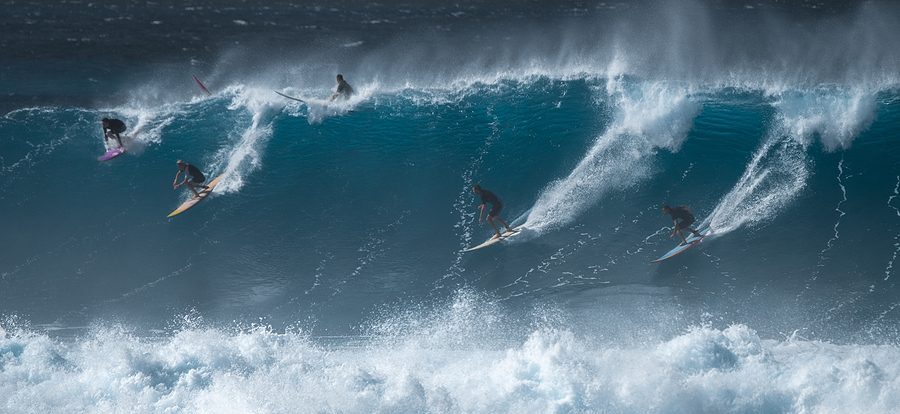
Continuing north, the tour arrives at Sunset Beach, a world-renowned surfing destination on Oahu's North Shore. During the winter months, Sunset Beach becomes a prime spot for big-wave surfing, attracting professional surfers who come to test their skills on waves that can reach up to 30 feet. The beach is a regular venue for the Vans Triple Crown of Surfing, making it an exciting place to watch some of the world's best surfers in action.
In the summer, when the waves are calmer, Sunset Beach is perfect for swimming and snorkeling. The wide sandy shores are also ideal for sunbathing, and the sunsets here are breathtaking, often painting the sky with brilliant colors. Sunset Beach encapsulates the adventurous spirit of Hawaii's North Shore and offers a quintessential Hawaiian beach experience.
14. Waimea Bay: A Blend of Natural Beauty and Surfing Fame
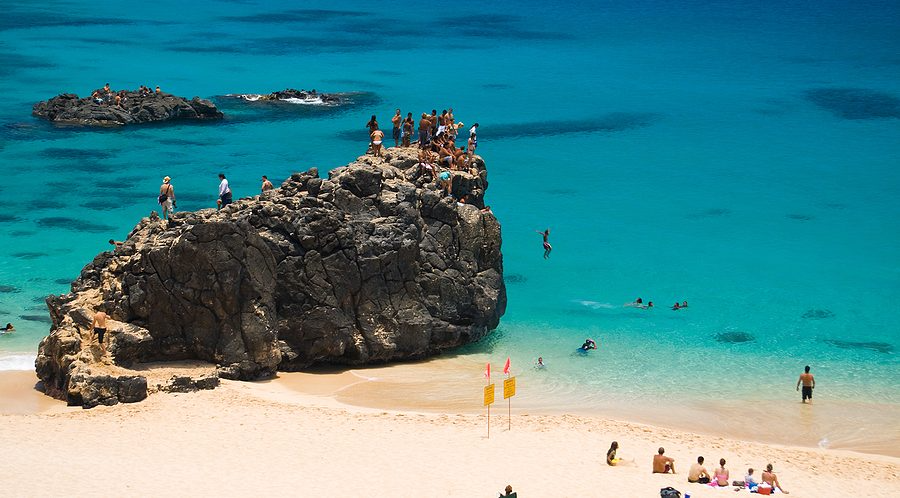
Just a short drive from Sunset
Beach is Waimea Bay, another iconic North Shore beach. Waimea Bay is famous for its powerful winter waves, making it a hotspot for big-wave surfing competitions. Surfers from around the globe come here to ride the massive waves, adding to the beach's vibrant energy.
During the summer, when the ocean is calm, Waimea Bay transforms into a serene destination perfect for swimming, snorkeling, and relaxing. Waimea Rock, a popular cliff-jumping spot, adds an element of adventure for those seeking a thrill. Nearby, Waimea Valley offers a botanical garden and a cultural site with a waterfall where visitors can swim, providing a glimpse into Hawaii's natural and cultural heritage.
15. Turtle Beach (Laniakea Beach): Witness Hawaiian Green Sea Turtles in Their Natural Habitat
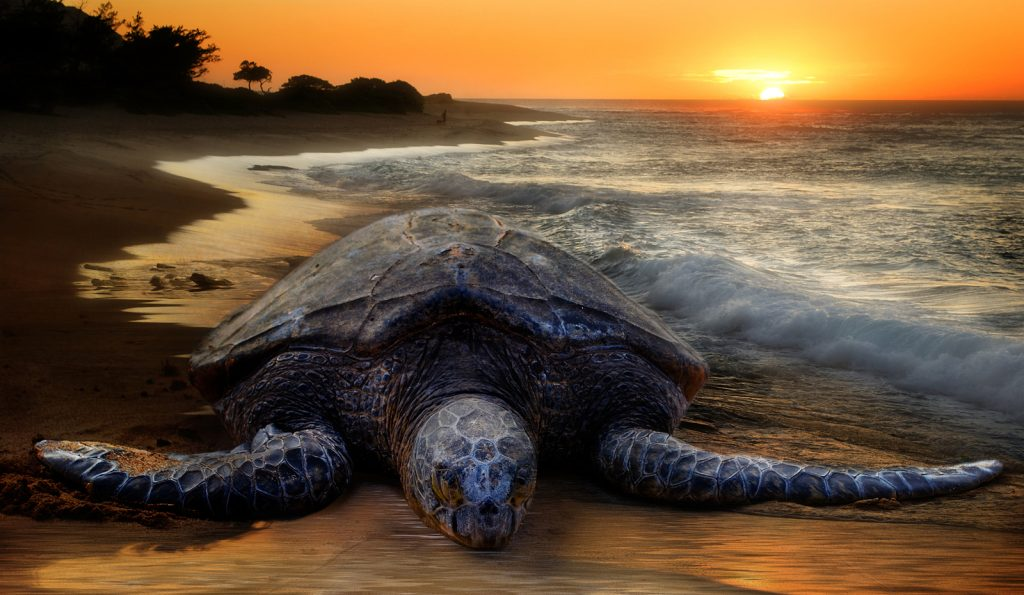
A visit to Laniakea Beach, also known as Turtle Beach, offers an unforgettable experience to see Hawaiian green sea turtles in their natural habitat. These gentle creatures frequently bask on the sandy shores, drawing the attention of visitors and conservationists alike. Volunteers are often present to educate visitors about the turtles and promote responsible viewing practices, ensuring the animals are respected and protected.
This beach provides a unique opportunity to observe and learn about Hawaii's native wildlife, enhancing your understanding of the island's ecosystem. Watching the turtles peacefully basking by the shore adds a sense of awe and wonder to your Oahu adventure.
16. Waikiki Beach – Hawaii's World-Famous Paradise
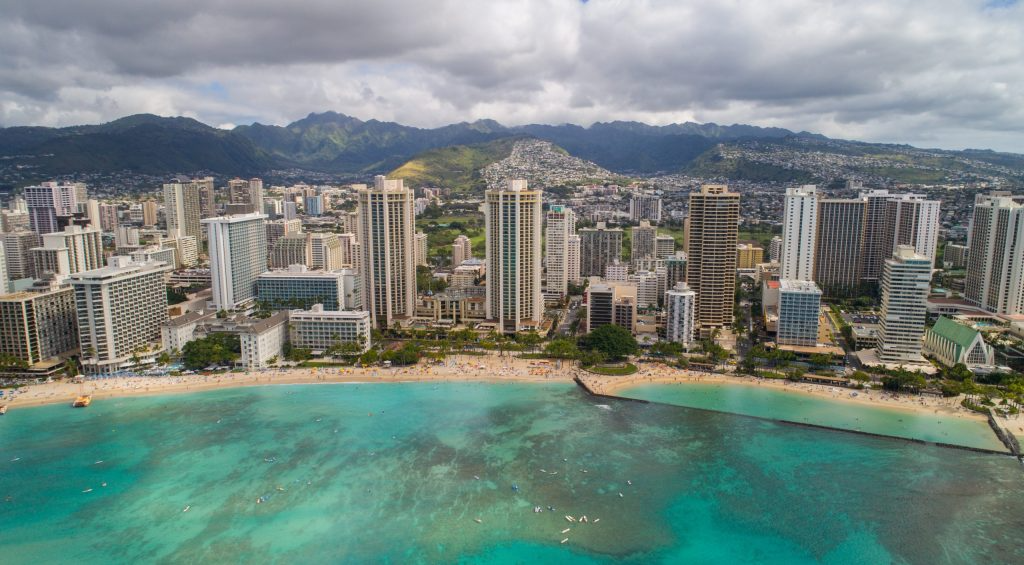
Few destinations on Earth capture the beauty, energy, and timeless spirit of Hawaii quite like Waikiki Beach. Located along the southern shore of Oahu and framed by the iconic silhouette of Diamond Head, Waikiki has become one of the world's most recognized beach destinations. Every year, millions of visitors from around the globe come to experience its warm golden sands, crystal-clear turquoise waters, spectacular sunsets, and the welcoming spirit of Aloha. Waikiki serves as the heart of Hawaii's tourism industry and is one of the state's most visited destinations.
More than just a beautiful beach, Waikiki is an international destination where luxury, culture, entertainment, and island living come together. Within a short walk, visitors will discover hundreds of restaurants, cafés, boutiques, surf shops, art galleries, and shopping centers ranging from local Hawaiian businesses to internationally renowned luxury brands. The area is home to some of Hawaii's most prestigious oceanfront resorts, world-class spas, elegant dining experiences, and vibrant nightlife, making it one of the premier luxury travel destinations in the Pacific.
Whether you're learning to surf on Waikiki's gentle waves, enjoying an oceanfront dinner as the sun disappears beneath the Pacific, shopping along Kalākaua Avenue, or simply relaxing beneath swaying palm trees, every moment feels unforgettable. From sunrise to sunset, Waikiki offers a rare combination of natural beauty, sophisticated luxury, rich Hawaiian culture, and unforgettable experiences that continue to inspire travelers from every corner of the world. For many visitors, a trip to Hawaii simply isn't complete without spending time at the legendary shores of Waikiki Beach.
17. Diamond Head
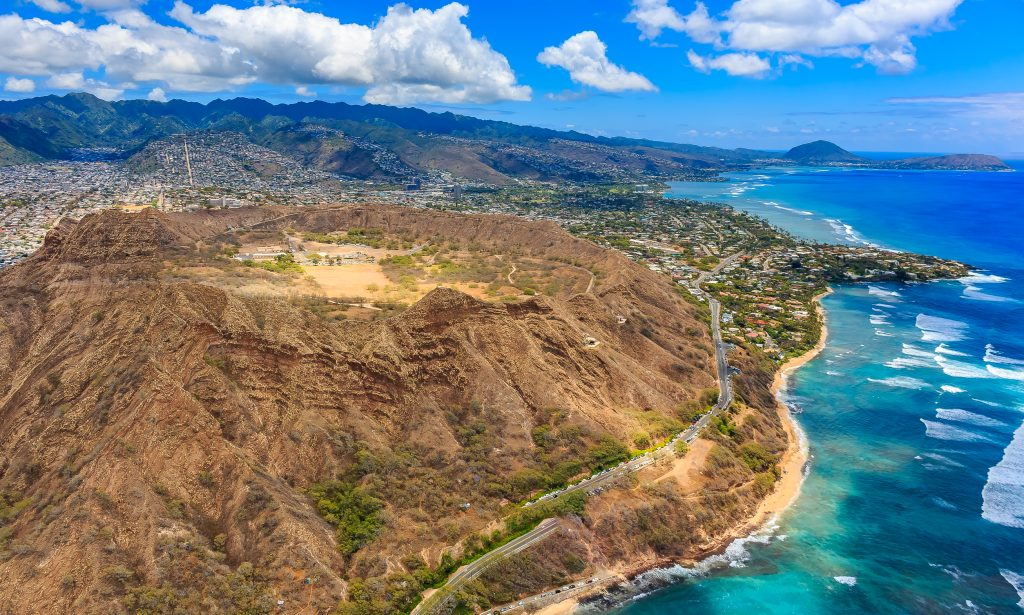
Diamond Head is one of Hawaii's most iconic natural landmarks and a must-visit destination for anyone exploring Oahu. Rising above Waikiki, this famous volcanic landmark, known to Native Hawaiians as Lēʻahi, was formed approximately 300,000 years ago during a single volcanic eruption. Today, it is a protected state monument offering visitors breathtaking views, fascinating history, and one of Oahu's most popular hiking experiences.
Diamond Head Crater features a scenic hiking trail leading through historic tunnels and military bunkers to a summit with spectacular panoramic views of Waikiki, Honolulu, and the Pacific Ocean. The hike is moderately challenging and typically takes about 1.5 to 2 hours round trip.
The park is generally open daily from 6:00 a.m. to 6:00 p.m., with the last entry at 4:00 p.m. Visitors may purchase admission tickets at the entrance upon arrival (subject to availability). Wearing comfortable walking shoes, bringing water, sunscreen, and a camera is highly recommended, especially on warm days.
Whether you're interested in Hawaii's volcanic history, scenic photography, or simply enjoying one of the island's most famous viewpoints, Diamond Head is an unforgettable stop on your Custom Layover Oahu Tour.
Ask A Question About Private Oahu Customized Tour
Choose and Book Your Preferred Tour From
Kauai International Airport (Kauai airport)
Bold text uspendisse lobortis aliquam lacus, vitae lacinia purus viverra vitae. Nulla facilisi. Duis efficitur, neque id egestas blandit, arcu lorem commodo justo, non aliquam arcu nulla et libero. Link inside text, massa quis molestie venenatis, erat enim faucibus sapien, eget elementum risus sapien vel turpis. Fusce vestibulum suscipit sem, vel gravida neque maximus ut. Duis dignissim enim at lorem auctor consequat. Ut neque dui, dapibus nec molestie quis, facilisis nec odio. Proin faucibus sodales tincidunt. Proin a gravida mauris. Nam bibendum rutrum blandit. In sit amet ornare erat. Curabitur nec diam sit amet eros gravida mollis. Vestibulum in lectus venenatis, tempor mauris et, malesuada nulla.
Private Pearl Harbor Memorial Tours
Kauai International Airport
Please enter this Extra Discount Promo Code: phoenixpassage